Car repairs can be costly, but some repairs can hit your wallet harder than others. Major engine failures, transmission replacements, and electrical system issues are just a few examples of the kinds of repairs that can quickly add up to thousands of dollars. While some wear and tear is unavoidable, many of these high-cost repairs can be prevented with proper maintenance and early detection of potential problems. Understanding which repairs are the most expensive and what you can do to avoid them can save you a lot of money and stress down the road.
Engine and Head Gasket Failure
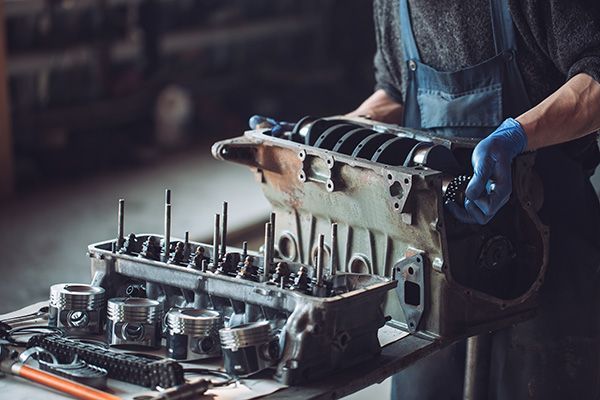
Few things are more expensive to fix than a blown engine or a failed head gasket. If an engine is severely damaged, a full replacement can cost several thousand dollars, sometimes exceeding the value of the vehicle itself. A head gasket failure, while not as extreme as a full engine replacement, is still an expensive repair due to the labor-intensive process of removing and replacing the part.
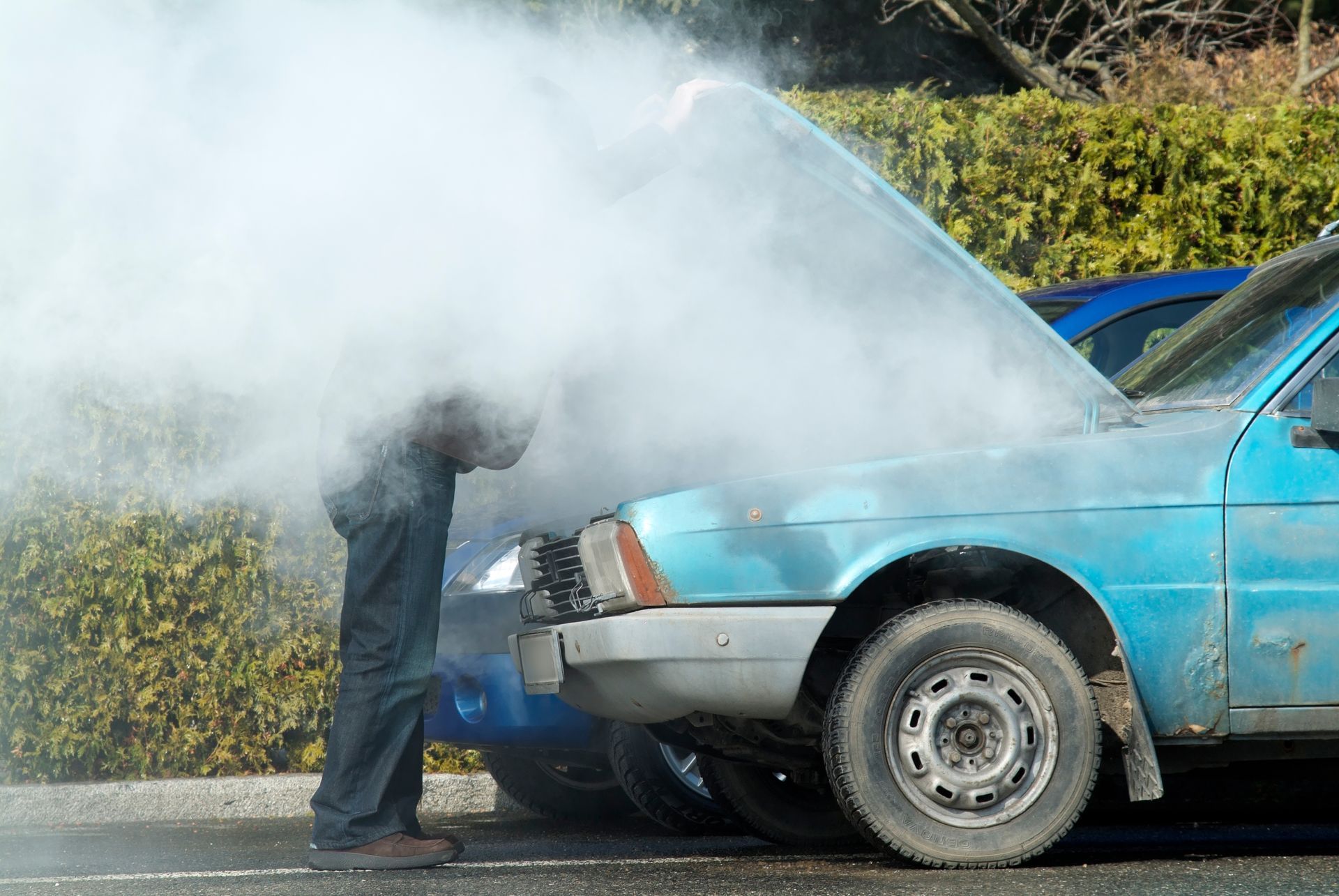
Engines overheat when coolant levels drop, often due to a leak or a failing water pump. If an engine runs too hot for too long, the head gasket can fail, leading to loss of compression, coolant mixing with engine oil, and significant internal damage. Regularly checking coolant levels, keeping an eye on temperature gauges, and addressing any overheating issues immediately can help prevent these costly repairs.
Transmission Repairs and Replacements
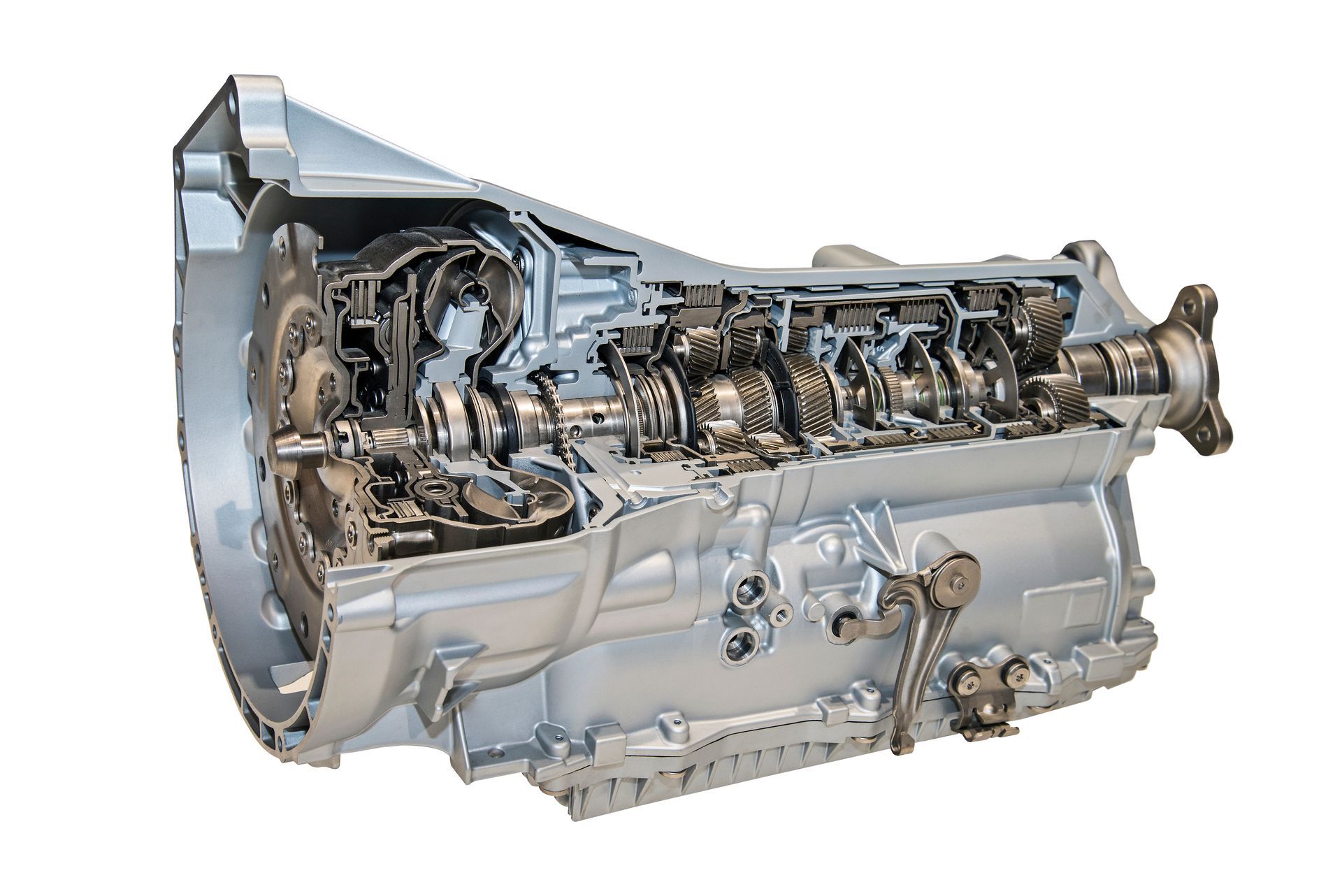
A failing transmission is another major expense that no driver wants to face. If the transmission completely fails, replacement costs can range from $3,000 to $7,000 depending on the make and model of the car. Even minor transmission repairs can be costly due to the complexity of the system.
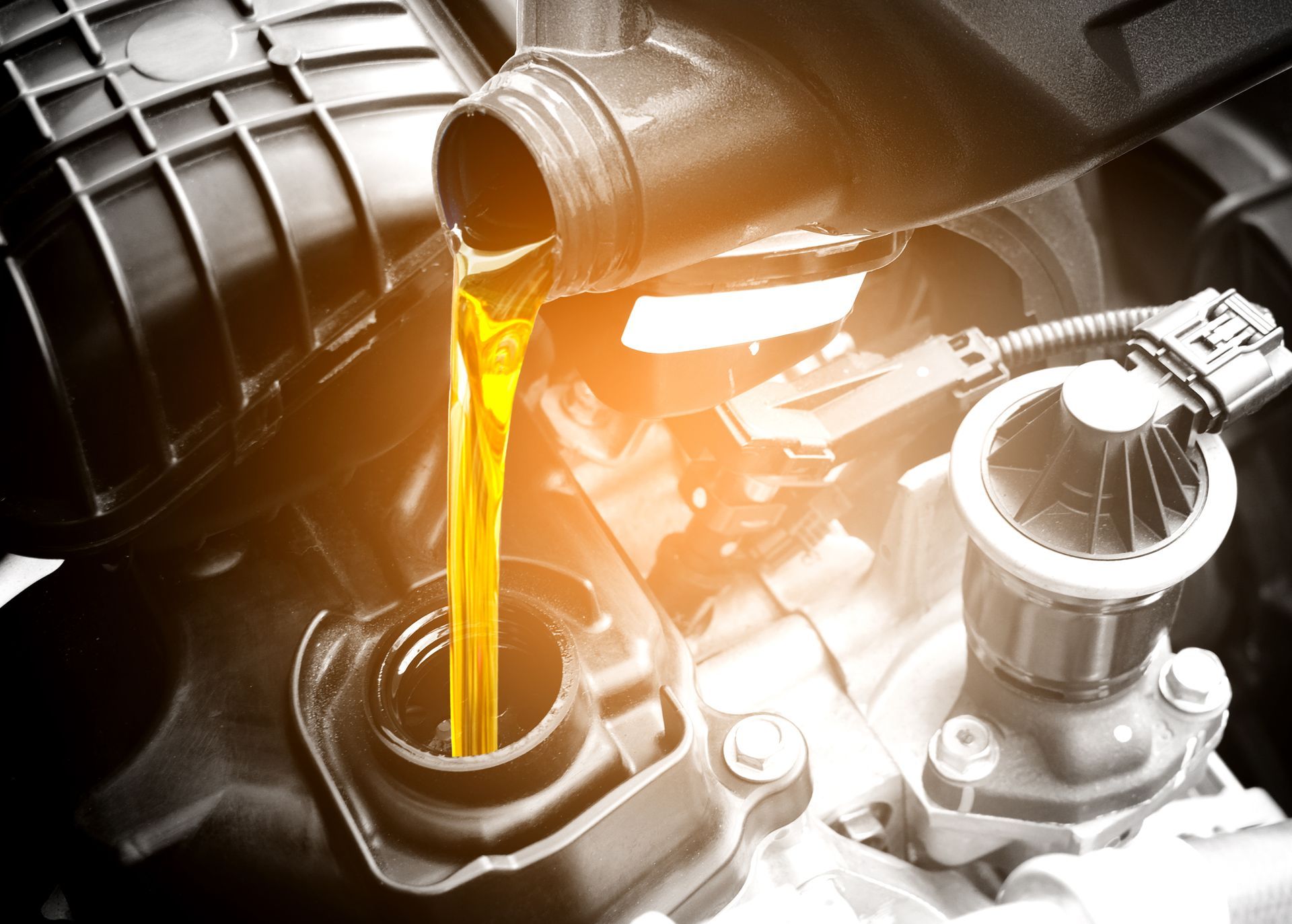
Preventing transmission problems starts with regular maintenance, including fluid changes. Transmission fluid keeps internal components lubricated and prevents overheating, but over time, it breaks down and becomes less effective. Ignoring signs such as slipping gears, rough shifting, or delayed acceleration can lead to bigger problems. Routine inspections and fluid flushes as recommended by the manufacturer can extend the life of a transmission and help you avoid a major expense.
Suspension System Repairs
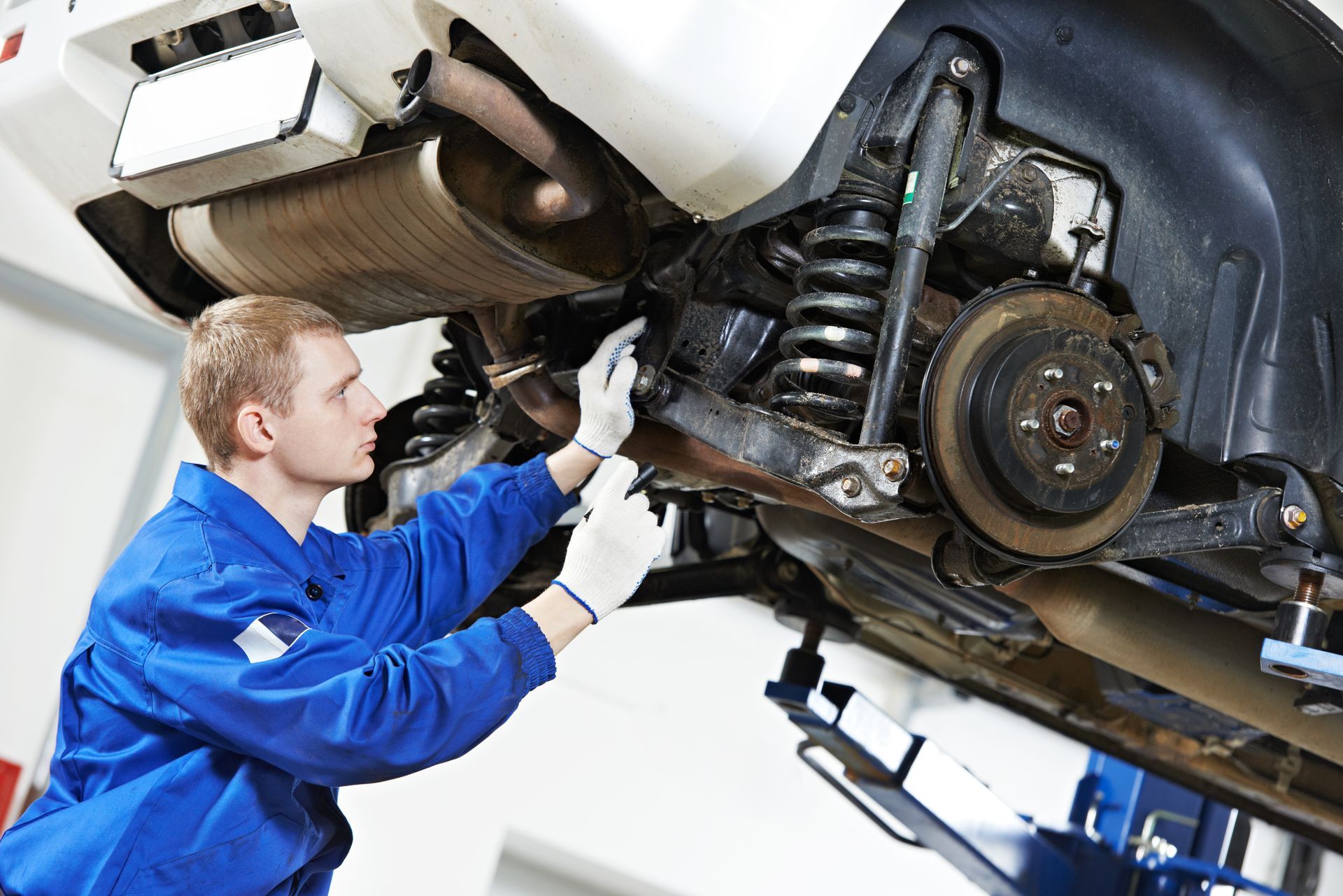
A vehicle’s suspension system is designed to provide a comfortable ride while maintaining stability and control. Components such as shocks, struts, and control arms wear out over time, and replacing them can cost anywhere from $1,000 to $5,000.
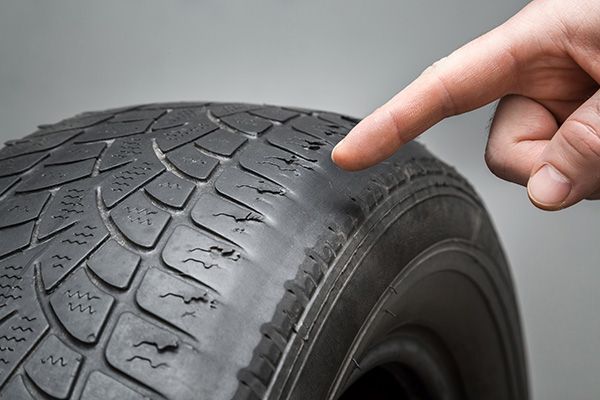
Avoiding potholes, driving cautiously over rough terrain, and addressing any unusual noises or vibrations early can help extend the life of suspension components. Getting your alignment checked regularly and ensuring that tires are properly inflated also helps prevent excessive wear and tear on suspension parts.
Timing Belt and Chain Failures
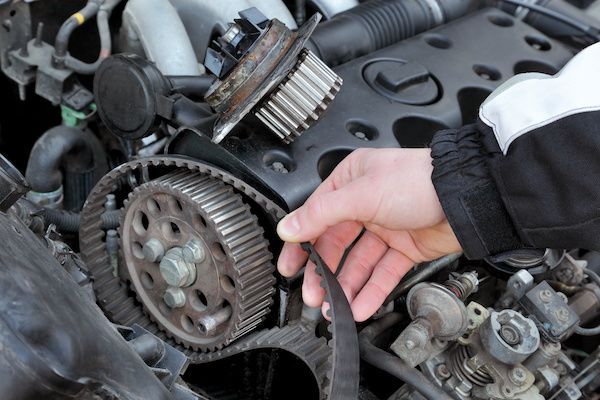
A broken timing belt or chain can cause catastrophic engine damage. The timing belt synchronizes the movement of the engine’s pistons and valves, and if it fails, these components can collide, leading to extensive repairs or even the need for a full engine rebuild.
Most manufacturers recommend replacing the timing belt between 60,000 and 100,000 miles. If your vehicle has a timing chain instead of a belt, it typically lasts longer, but it should still be inspected periodically for signs of wear. Keeping up with these scheduled replacements is one of the best ways to avoid the much higher costs associated with engine damage from a broken belt or chain.
Electrical System and Computer Failures
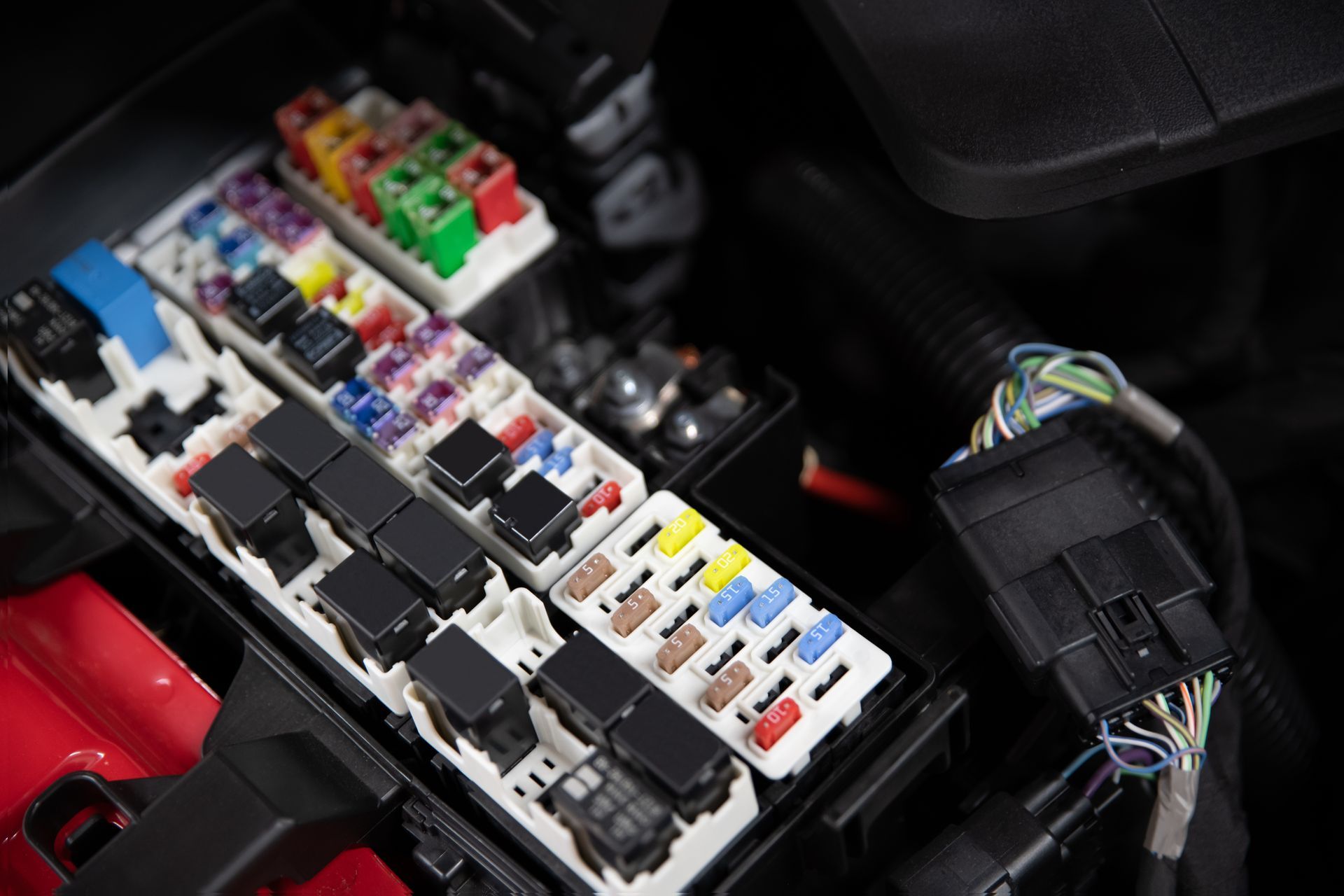
Today’s vehicles rely heavily on computers and electrical systems to manage everything from fuel injection to climate control. When these systems fail, diagnosing the problem can be challenging, and repairs can become expensive. Issues with the engine control unit (ECU), faulty wiring, or failing sensors can lead to repair costs ranging from a few hundred dollars to several thousand.
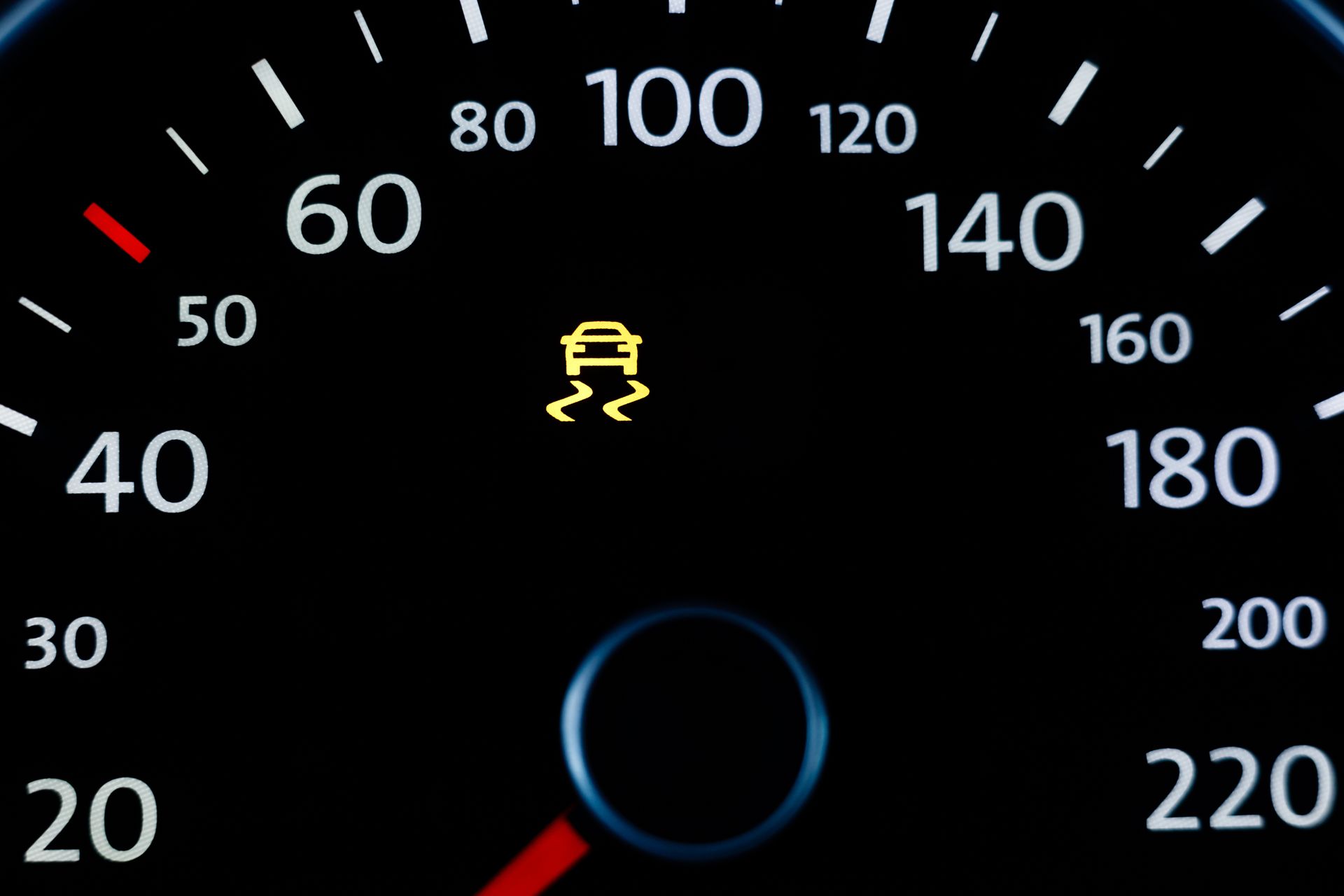
Regular inspections and paying attention to warning lights on your dashboard can help catch electrical problems early. If your vehicle is experiencing strange electrical issues, such as flickering lights, erratic engine behavior, or failing power accessories, getting a professional diagnostic test can prevent a minor issue from turning into a costly repair.
How to Reduce the Risk of Expensive Repairs
Regular maintenance is the best way to prevent these high-cost repairs. Sticking to the manufacturer’s recommended service schedule helps catch potential issues early before they become serious.
For drivers in Rockville, MD, seasonal changes and heavy traffic can put added stress on a vehicle’s components. Ensuring that your engine, transmission, and suspension systems are properly maintained can help you avoid major breakdowns and extend the life of your car.
Don’t wait for a major repair bill—let Auto Clinic Care in Rockville, MD, keep your car running reliably with professional maintenance. Schedule your service now!