A car that shakes at stoplights can make you feel like something serious is about to happen, even if it drives fine the moment you move. Idling is when the engine has the least momentum, so small issues feel bigger. The challenge is that several different problems can create a similar shake, which is why the pattern matters more than one quick guess.
If you notice what changes the shake, you usually find the cause faster.
When The Shake Happens And What It Feels Like
Start by noticing whether the shake is worse in Drive with your foot on the brake, or if it also happens in Park. A shake that gets stronger in Drive often points to load on the engine, or mounts that are letting more movement through. If it only happens with the A/C on, that’s another useful clue because A/C load can push a borderline idle over the edge.
Also watch the RPM behavior. If the RPM dips and recovers, you may be dealing with an idle control or airflow issue. If the RPM stays steady but the car still shakes, mounts, exhaust contact, or an accessory vibration may be more likely.
Common Engine Causes: Air, Fuel, And Spark
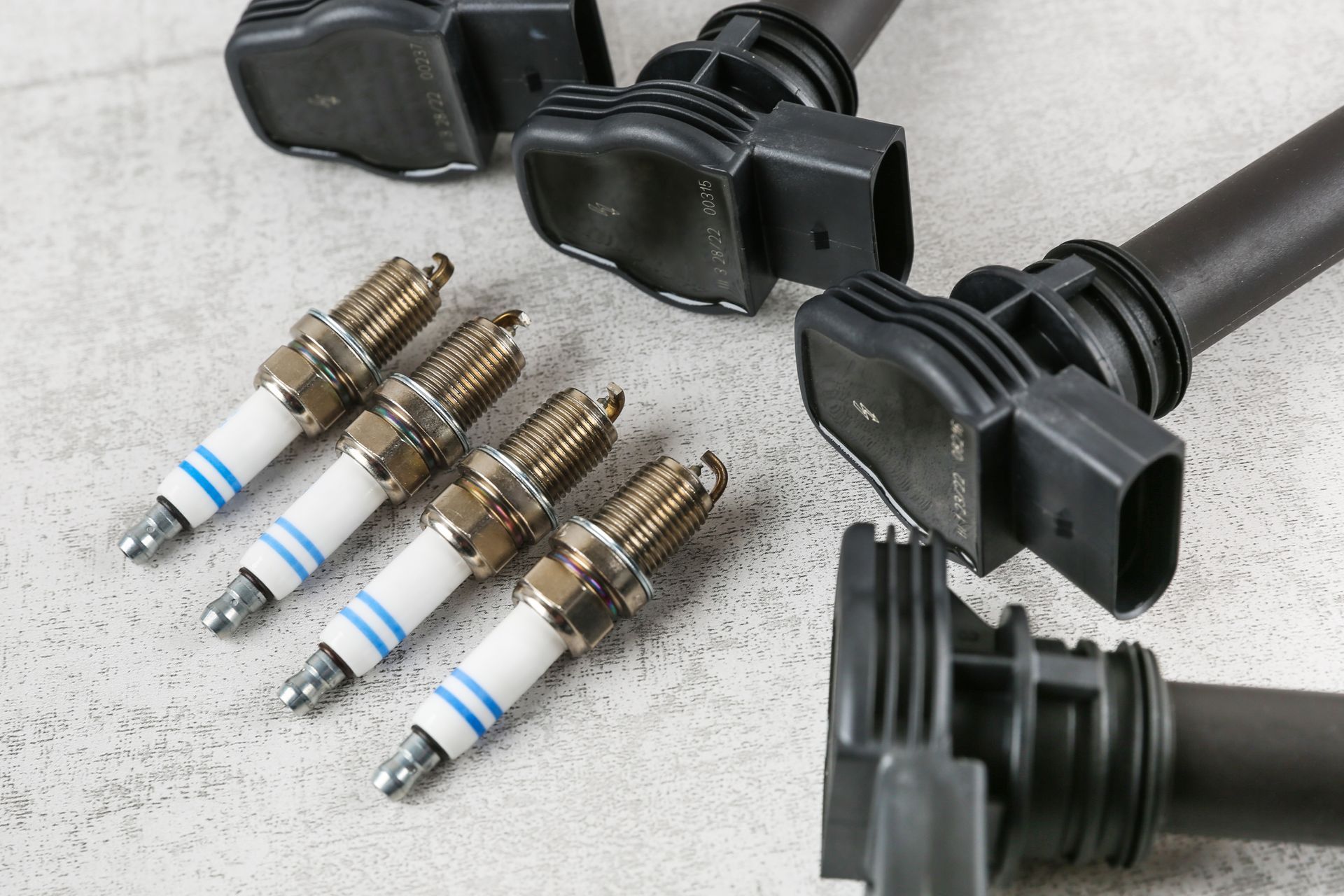
At idle, the engine is trying to run smoothly with a small amount of fuel and air. If one cylinder is not contributing evenly, you will feel it. Worn spark plugs, weak ignition coils, and small fuel delivery issues are common causes of a stoplight shake, especially as mileage climbs.
Airflow issues can do the same thing. A dirty throttle body, a restricted air filter, or a small vacuum leak can lean out the mixture at idle. It might drive okay at higher RPM because the engine has more airflow to work with, yet still feels rough when you are stopped.
Idle Issues That Show Up With The A/C On
The A/C adds load to the engine, and the car is supposed to raise its idle slightly to compensate. If the system is slow to respond or the idle control is already borderline, you may get a shake that appears mostly when the A/C is running. This is why some drivers swear the car only shakes on hot days.
A good way to confirm the pattern is simple. At a safe stop, turn the A/C off for a moment and see whether the shake changes. If the shake improves noticeably, the issue may be a weak idle control strategy, a throttle body that needs attention, or a load-related engine roughness that only shows under that extra demand.
Mounts And Exhaust Contact That Transmit Vibration
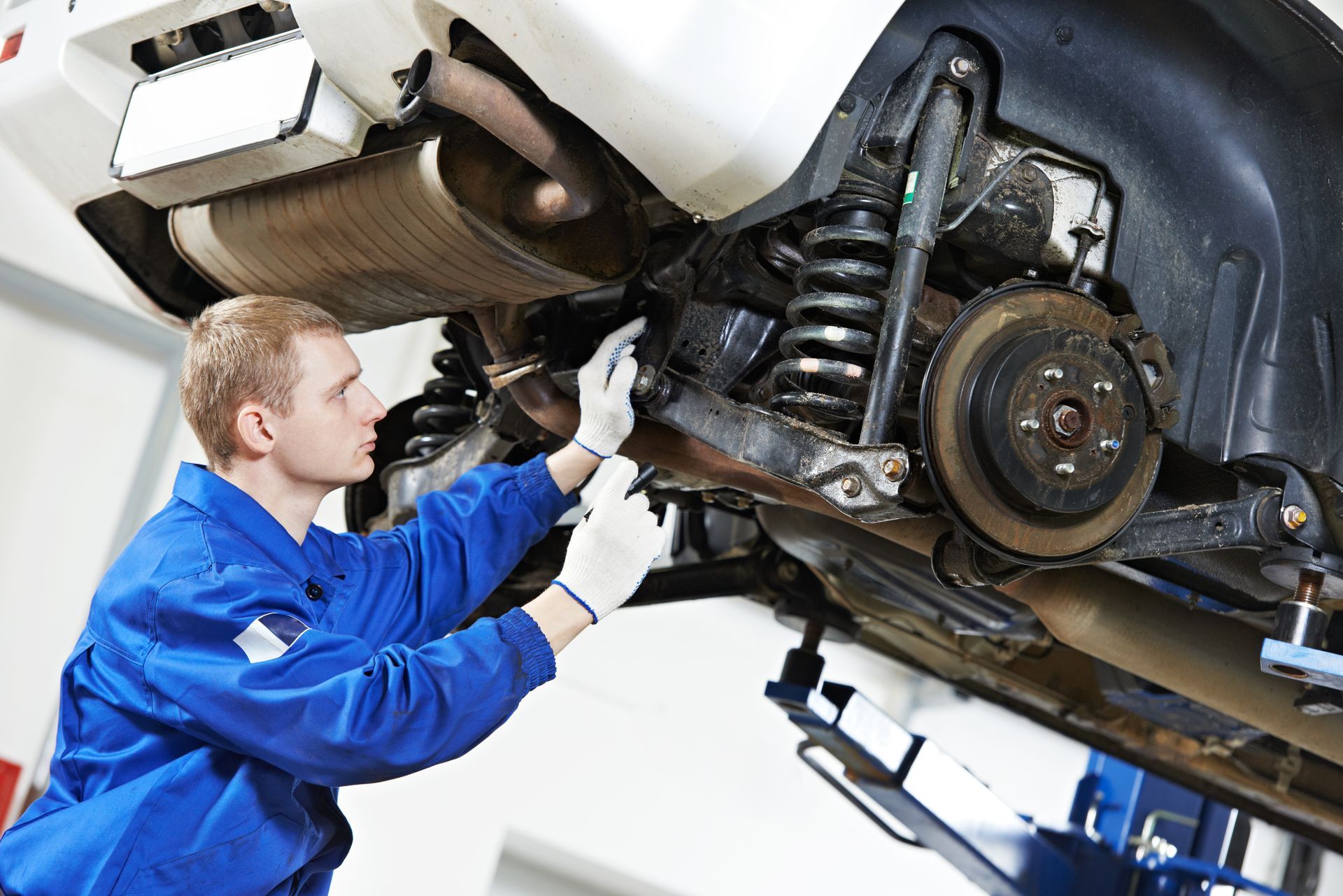
Sometimes the engine runs fine, but the vibration is transmitted into the cabin. Motor mounts are meant to isolate normal engine movement. When they soften, crack, or sag, the same idle can suddenly feel harsh through the steering wheel, seat, or floor. In Drive at a stoplight, that vibration can feel much more obvious.
Exhaust contact is another sneaky one. If a mount has sagged, the exhaust can sit closer to the body or a heat shield. Then normal engine movement makes it touch or buzz, and it feels like a rough engine. During an inspection, we look for shiny rub spots and broken hangers that can turn a mild vibration into a cabin shake.
Quick Checks You Can Do Before Your Visit
You do not need special tools to gather useful information. The goal is to capture patterns and eliminate the obvious. If the shake is severe, avoid long idling and heavy stop-and-go until it is checked.
Here are a few quick things to note:
- Does it happen only in Drive, or also in Park?
- Does it get better with the A/C off?
- Does the RPM dip or hunt, or stay steady?
- Do you feel it more in the steering wheel, seat, or floor?
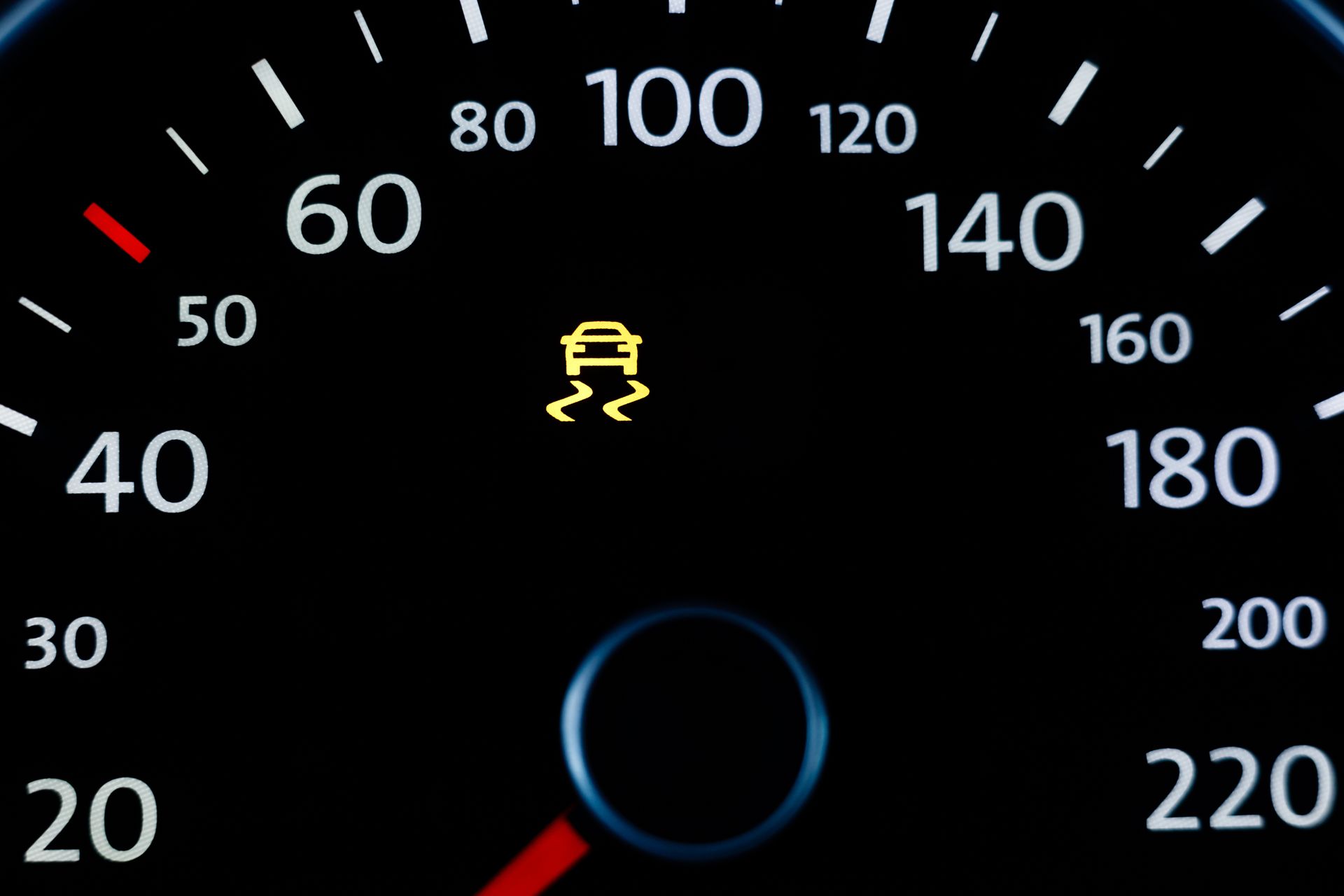
- Any warning lights, even if the car still drives fine?
If you can safely record a short clip of the sound and RPM behavior, it can help too. Even a simple note like it shakes for 10 seconds after a long red light is useful. Details like that often separate an ignition issue from a mount issue.
How We Narrow It Down In The Shop
We start by checking for stored codes and looking at live data, because a borderline misfire or airflow issue can show up there even when the light is not on. Then we confirm basics like intake hose condition, visible vacuum leaks, and idle behavior with and without A/C load. If the pattern suggests ignition, we look at plugs and coil behavior.
If the engine appears to be running smoothly but the cabin is shaking, we shift focus to mounts and exhaust contact points. That includes checking the mount condition, verifying that the engine is not shifting excessively, and looking for exhaust components that may be touching the body. This inspection approach keeps the fix targeted and avoids replacing parts on a hunch.
When It Should Be Treated As Urgent
Most idle shakes are fixable without drama, but some signs deserve quicker attention. If the check engine light is flashing, or the engine is stumbling hard, driving should be limited. If the shake is paired with a fuel smell, rising temperature gauge, or stalling, it is better to get it checked promptly rather than wait for it to strand you.
Staying on top of regular maintenance helps prevent repeat problems here, especially ignition wear and airflow buildup. It also makes the repair cleaner because you are addressing the cause before it triggers secondary issues. A stoplight shake is usually the car asking for attention, not a reason to panic.
Get Idle Shake Repair In Rockville, MD, With Auto Clinic Care
Auto Clinic Care in Rockville, MD, can pinpoint why your car shakes at stoplights, whether it is an ignition issue, an airflow problem, or mounts transmitting vibration into the cabin. We will check the basics first, then confirm the root cause with a focused inspection so you are not guessing. You will leave with a clear plan for what needs attention now and what can wait.
Schedule a visit and get back to smooth, steady stops.