Seeing the traction control light pop on can be confusing. Sometimes it flashes for a second and goes away. Other times it stays on, and you start wondering if the car is still safe. The honest answer is that it depends on why the light came on and what the car is doing at the same time. Traction control is there to help you keep grip when the road is slick or when a tire starts slipping.
If it’s working normally, the light can be a good sign. If it’s on because there’s a fault, you’re driving without one of the systems that helps keep the car stable.
What Traction Control Is Actually Doing When The Light Flashes
When traction control is actively working, the light usually flashes. That means the system detected wheel slip and stepped in by reducing engine power, applying brake pressure to a spinning wheel, or both. You’ll often feel a slight cut in power or a brief pulsing sensation, especially when accelerating on wet pavement, gravel, or painted lines.
In that situation, the light is not really a warning of a problem. It’s more like an indicator that the system is doing its job.
Flashing Light vs Solid Light And Why The Difference Matters
A flashing traction control light generally means it’s actively controlling wheel slip. A solid light that stays on often means the system is disabled or there’s a fault stored. Some cars will automatically turn traction control off when they detect a related issue, such as a wheel speed sensor problem or certain ABS faults. In many vehicles, ABS and traction control share components, so one problem can affect both systems.
If the traction control light is solid and you also see an ABS light, a brake warning, or a check engine light, that combination is worth taking seriously. It doesn’t always mean the brakes will fail, but it can mean the safety-assist features are unavailable when you need them.
When It’s Usually Safe To Keep Driving
If the traction control light flashes occasionally and the car otherwise feels normal, it’s generally safe to continue driving. That usually happens during slippery conditions or quick acceleration. The bigger question then is why you’re seeing it so often. If it’s flashing on dry pavement during gentle driving, that could be a sign of uneven tire traction, low tire pressure, or a sensor reading that isn’t matching reality.
If the light comes on right after you start the car and then turns off, that’s often just the system doing a quick self-check.
When You Should Be More Cautious
If the traction control light stays on and the car feels unstable, pulls, or behaves differently when turning or accelerating, it’s time to be careful. A solid light often means the system can’t help if a tire loses traction. On dry roads, you may not notice much difference. On wet roads, gravel, or cold mornings, the difference can be very noticeable.
You should also be cautious if the car is cutting power unexpectedly, even when you’re driving gently. That can happen if a wheel speed sensor is glitching and the system thinks a wheel is slipping when it’s not. That kind of false intervention can be dangerous in traffic because the car may hesitate when you need steady acceleration.
Common Causes Behind A Traction Control Light
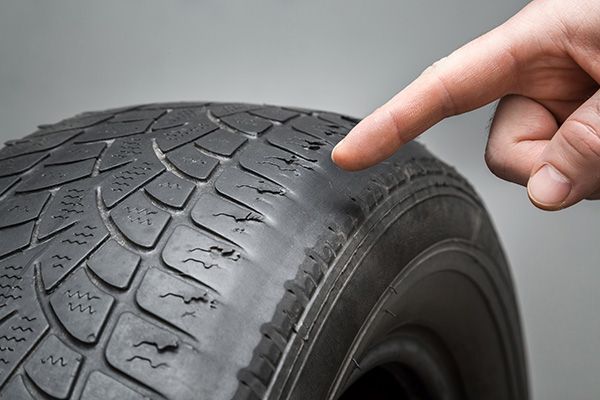
One of the most common causes is a wheel speed sensor issue. Sensors can get dirty, wiring can get damaged, or tone rings can corrode. Tire and wheel changes can also trigger issues if tire sizes don’t match properly. Even a small difference in tire diameter can confuse the system and cause unexpected traction control behavior.
Low tire pressure can also trigger traction control activity because the tire’s rolling behavior changes. Alignment and suspension issues can contribute too, especially if one tire has less consistent contact with the road. We also see traction control lights come on after battery voltage issues, because modules can be sensitive to low-voltage events.
A Practical Decision Guide For The Road
If the light is flashing and you’re on a wet or slick road, slow down and drive smoothly. That’s the system telling you grip is limited. If the light is solid but the car feels normal, you can usually drive short distances, but treat it as a reason to schedule service soon, especially if you’ll be driving in rain or winter conditions.
If the light is solid and you feel the car cutting power at odd times, or you have ABS and brake warning lights at the same time, reduce driving and get it checked promptly. The goal is to avoid needing these systems at the exact moment they’re not available.
Get Traction Control Service in Rockville, MD, with Auto Clinic Care
If your traction control light stays on, comes on more often than it used to, or your car feels different when accelerating or turning, we can inspect the related systems and pinpoint what’s causing it. We’ll check sensor signals, tire and wheel setup, and any stored fault data so you get a clear answer instead of guesses.
Call
Auto Clinic Care in Rockville, MD, to schedule a check, and we’ll help you drive with steadier traction and confidence again.