A car that overheats on the highway usually gets attention right away. Steam, warning lights, the temperature gauge climbing, and that sinking feeling that something serious is happening. But overheating in traffic can be more confusing. The car may run at a normal temperature while moving, then start getting hot at a red light, in a drive-through, or during a slow crawl on a summer afternoon.
That pattern is a clue. When the vehicle is moving, air is being pushed through the radiator. When it is sitting still, the cooling system has to create that airflow on its own. If the fan, coolant flow, pressure, or heat transfer is not right, traffic quickly exposes the weakness.
Airflow Through The Radiator Changes At Idle
The radiator needs airflow to remove heat from the coolant. At road speed, outside air moves through the grille and across the radiator. In traffic, there is little natural airflow, so the cooling fan has to take over.
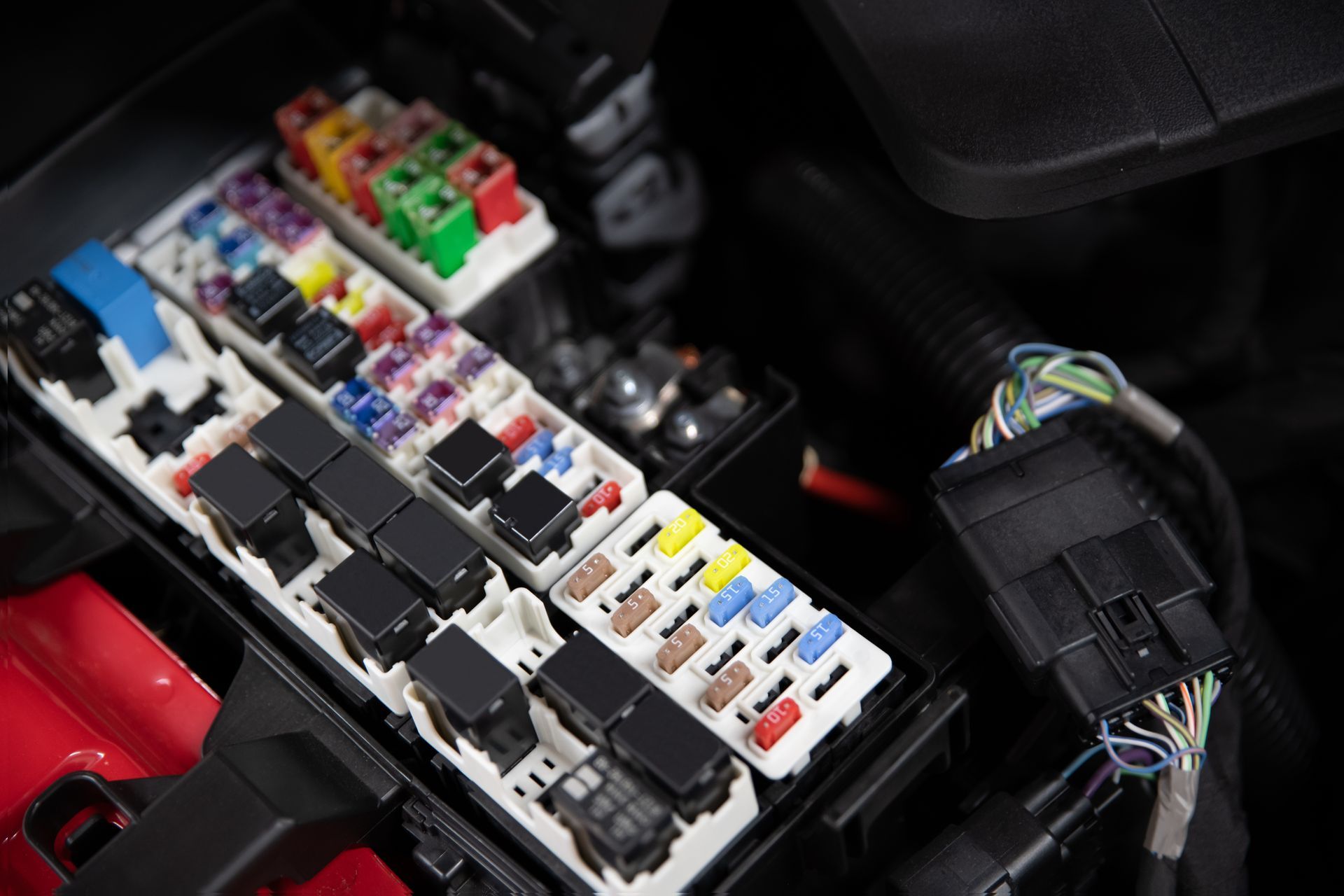
If the fan does not turn on, runs too slowly, has a bad relay, weak motor, damaged wiring, or a control issue, the engine temperature can climb while the car is sitting. Once you start driving again, the temperature may drop because airflow returns.
That is why a car can seem fine on the open road but struggle in a parking lot. The cooling system is not failing in every condition yet. It is failing when airflow depends on the fan.
The Cooling Fan Has To Work Harder With The A/C On
When the A/C is running, the cooling fan has an extra job. The condenser, mounted near the radiator, also needs airflow to remove heat from the A/C system. On hot days, the engine bay is already dealing with high temperatures, and the fan may need to run more frequently.
If the fan system is weak, overheating may occur first when the A/C is on. The driver may notice warm A/C air at idle, a temperature gauge that climbs in traffic, or both. Once the car starts moving, A/C performance and engine temperature may improve.
That combination is useful during diagnostics. Warm A/C at idle, along with rising engine temperature, can point to airflow problems around the radiator and condenser rather than the engine itself.
Low Coolant Can Show Up First In Traffic
Low coolant does not always cause immediate overheating. If the level is only slightly low, the car may seem normal while driving. Sitting in traffic can expose the problem because coolant moves more slowly, airflow is reduced, and heat has more time to build.
Coolant loss usually has a cause. A leaking hose, radiator, water pump, thermostat housing, heater hose, reservoir, radiator cap, or gasket can all lower the level. Some leaks drip onto the ground. Others evaporate on hot parts, leaving only a sweet smell or a crusty residue.
Topping off coolant may get the vehicle out of trouble for the moment, but it does not fix the leak. If the level drops again, the cooling system needs an inspection before overheating damages the engine.
A Weak Radiator Cap Can Lower The Boiling Point
The radiator cap or pressure cap is easy to underestimate. Its job is to hold the cooling system at the correct pressure. That pressure raises the boiling point of the coolant and helps the system manage heat.
When the cap gets weak, coolant may boil sooner or get pushed into the overflow reservoir too early. The engine may run hotter in traffic, especially when outside temperatures are high. You may smell coolant after parking or notice the reservoir level acting strangely.
A bad cap is not always the whole problem, but it is part of the pressure system. If the system cannot hold pressure, hot-weather traffic can turn a small weakness into an overheating complaint.
The Thermostat Or Water Pump May Not Be Moving Coolant Correctly
The thermostat controls when coolant flows through the radiator. If it sticks closed or opens late, the engine can overheat because coolant is not reaching the radiator when it should. If it sticks partly open, the temperature may behave erratically instead of staying within control.
The water pump moves coolant through the engine and radiator. A worn pump, damaged impeller, belt problem, or internal restriction can reduce flow. At higher RPM, the system may move enough coolant to keep the temperature down for a while. At idle, poor flow can become more obvious.
Cooling system problems are not always loud. A thermostat, pump, or restriction may create symptoms long before the part fails completely.
Clues That Help Narrow The Cause
The way the car overheats in traffic can tell a lot. Before service, it helps to notice the details.
- The temperature climbs only when stopped, then drops once the car starts moving again, which usually points toward airflow through the radiator, cooling fan operation, or heat transfer at low speed.
- The A/C turns warm at idle while the temperature rises, which can suggest the fan is not moving enough air across the condenser and radiator.
- Coolant smell appears after parking, but there is no big puddle, which can mean coolant is leaking onto hot parts or escaping under pressure.
- The reservoir keeps needing coolant, which means the system is losing fluid somewhere even if the leak is not obvious from above.
- The heater suddenly blows cold while the engine is hot, which can point toward low coolant or air pockets interfering with circulation.
- The temperature rises quickly after startup, which can make thermostat trouble, low coolant, or circulation problems more likely.
These details do not replace testing, but they help the technician avoid starting in the wrong place.
Why Driving While Overheating Is Risky
Overheating can damage multiple parts. Heat can warp metal surfaces, damage gaskets, weaken plastic cooling parts, harm sensors, and stress hoses. Severe overheating can lead to head gasket failure or internal engine damage.
If the temperature gauge climbs into the danger zone, the warning light comes on, or steam appears, it is better to stop safely and let the engine cool. Opening the cooling system while it is hot can be dangerous because pressurized coolant can spray out.
Regular maintenance helps prevent many overheating problems. Coolant condition, hose age, fan operation, pressure caps, belts, visible leaks, and radiator condition all deserve attention before summer heat and traffic push the system too hard.
Get Overheating Diagnostics In Rockville, MD, With Auto Clinic Care
If your car overheats in traffic, runs hot with the A/C on, smells like coolant, loses coolant, or has a temperature gauge that climbs while stopped, Auto Clinic Care in Rockville, MD, can check the cooling fan, radiator, thermostat, water pump, pressure cap, hoses, coolant level, and related parts.
To diagnose overheating before it causes engine damage, contact us to schedule an appointment.
Common Questions About Cars Overheating In Traffic
Why Does My Car Overheat Only When I Am Stopped?
When the car is stopped, airflow through the radiator depends on the cooling fan. If the fan system is weak, coolant levels are low, or heat is not leaving the radiator properly, the temperature can rise at idle.
Can I Keep Driving If The Temperature Drops Once I Start Moving?
It is still risky. The lower temperature while moving may only mean road airflow is helping for now, while the original cooling problem remains and could get worse in the next traffic jam.
Does Running The A/C Make Overheating Worse?
It can expose an existing cooling system weakness. The A/C adds heat near the radiator, so weak fans, low coolant, or poor airflow can be more noticeable when the A/C is on.