Transmission slipping does not always feel severe the first time it happens. Many drivers describe it as a strange pause, a sudden rise in RPM, or a moment when the car seems to lose its grip on power before regaining it. Since the vehicle may still move and shift most of the time, it is easy to keep driving and hope it does not come back.
That is usually where the problem gets more expensive. A transmission that is starting to slip is already telling you something has changed, and waiting gives that wear more time to spread.
What Transmission Slipping Feels Like On The Road
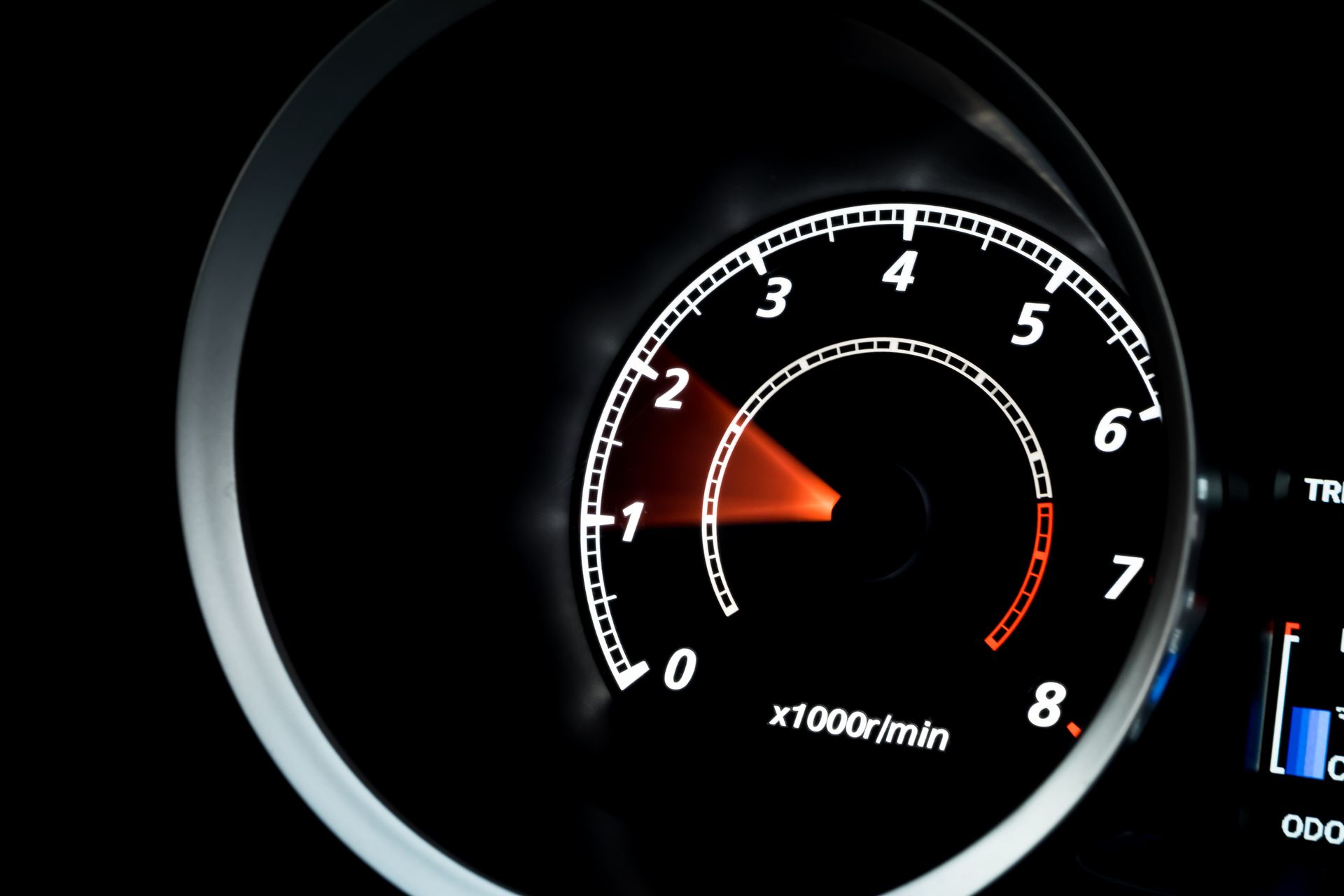
Most drivers notice slipping during acceleration. You press the gas, the engine revs higher than expected, but the vehicle doesn't accelerate as it should. The transmission hesitates before engaging, or the gear change takes too long.
In other cases, the shift goes through but feels soft, delayed, or inconsistent. Some vehicles jolt afterward, while others feel weak and disconnected for a moment. The exact feel varies, but the common theme is that engine speed and vehicle speed stop matching the way they normally do.
Can Low Transmission Fluid Cause Slipping
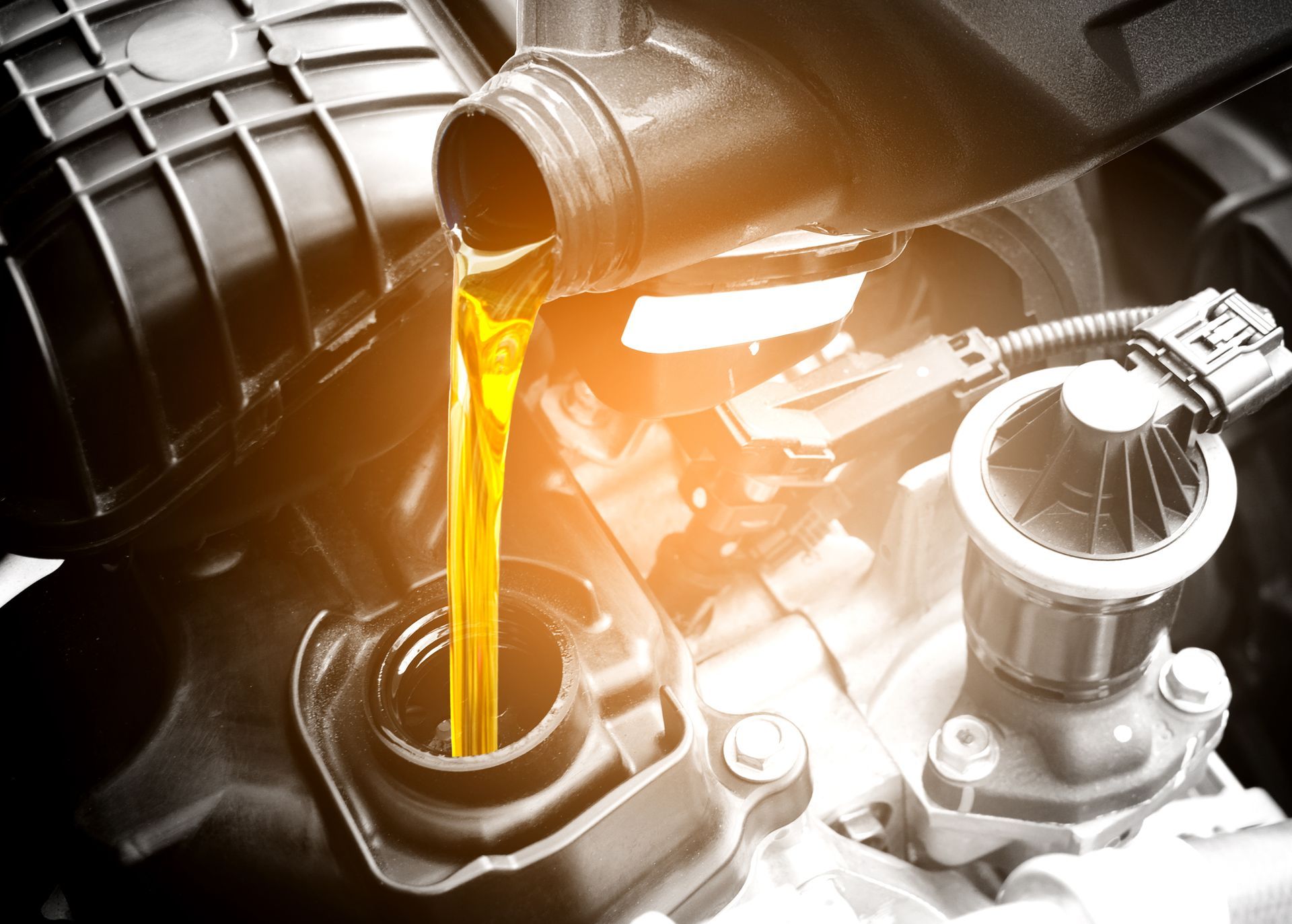
Yes, low transmission fluid is one of the more common reasons slipping starts. The transmission depends on fluid for hydraulic pressure, lubrication, and cooling. When the fluid level drops too low, the system may not be able to apply the gears firmly enough, leading to slipping under load.
That does not mean low fluid is the only cause. The bigger question is why the fluid is low in the first place. Transmissions do not consume fluid like engines consume a little oil over time. If the level is down, there is usually a leak or a service issue that needs attention.
What Else Can Cause Transmission Slipping
Worn or contaminated fluid can create similar problems even when the level is not severely low. Over time, fluid breaks down, loses its protective qualities, and no longer supports clean hydraulic operation the way it should. That can make shifts feel slower, harsher, or less consistent.
Internal wear can also be part of the story. Clutches, bands, valve bodies, and other internal components can all contribute to slipping once wear has progressed far enough. Electronic control issues are another possibility on newer vehicles, which is why a proper inspection is important before anyone jumps to the worst conclusion.
What Warning Signs Usually Show Up With It
Slipping rarely stays alone for long. Many drivers also notice delayed shifting, rough engagement when moving from Park to Drive or Reverse, or a transmission that feels confused about when to shift. A burning smell or darker transmission fluid can show up, too, if excess heat has started building inside the unit.
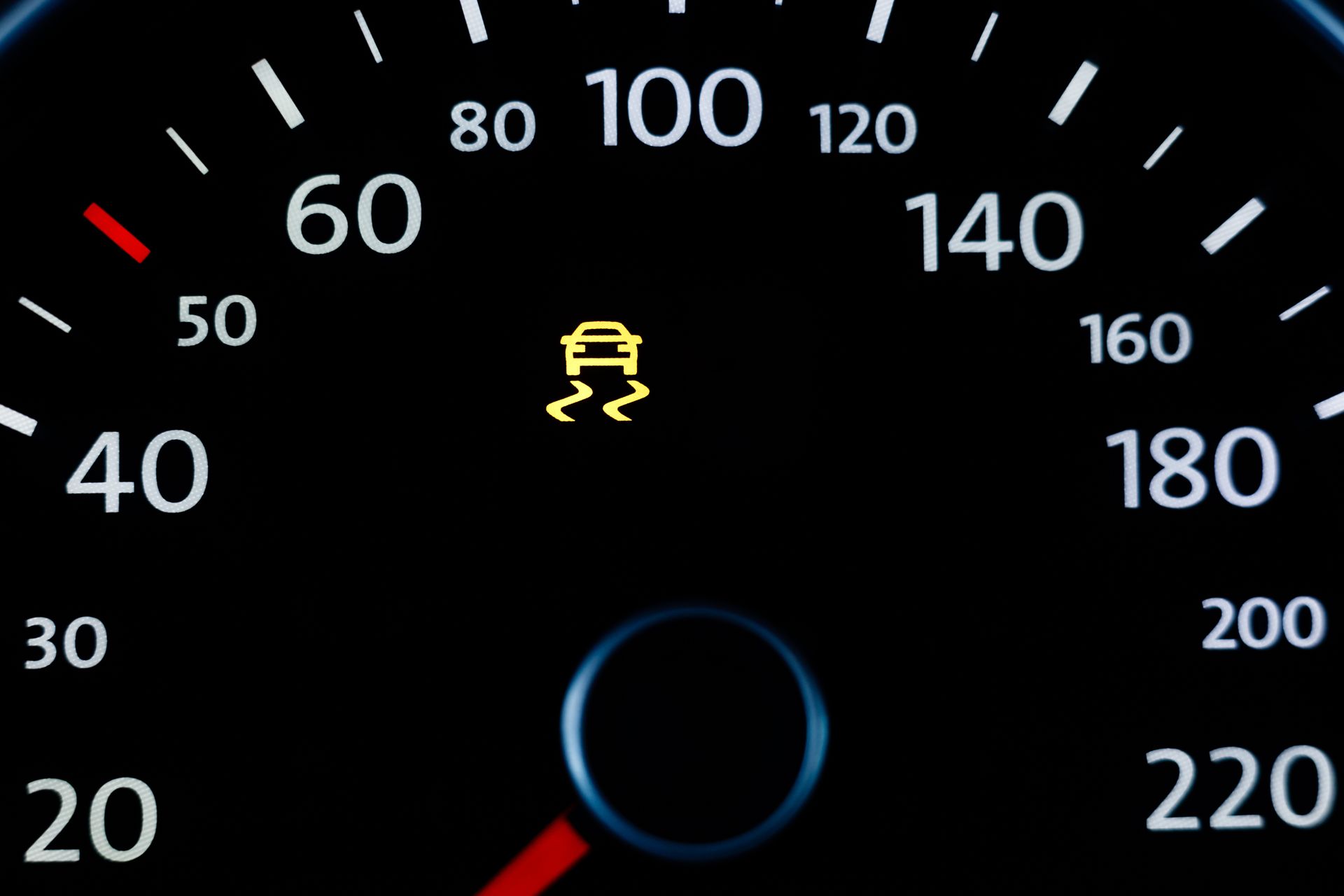
Some vehicles will also turn on a warning light or store transmission-related faults. Others may not show much on the dashboard at all in the early stage. That is part of what makes this issue easy to delay. The symptoms can feel inconsistent right up until they become much harder to ignore.
Why Waiting Usually Makes The Repair Worse
A slipping transmission generates more heat and wear each time it slips. Heat is hard on seals, fluid, and internal friction materials, so the problem tends to feed itself. What may have started as low or worn fluid can progress to internal damage if the vehicle continues to be driven that way.
That is why regular maintenance is so important with transmissions. Fluid service, leak checks, and early attention to shifting changes give you a much better chance of keeping the repair smaller. Once slipping becomes frequent, the range of simple fixes usually narrows significantly.
When Low Fluid Points To A Bigger Leak Problem
If fluid is low enough to affect shift quality, the transmission should be checked for leaks right away. Leaks can come from cooler lines, seals, pans, gaskets, or other connection points. Some are easier to spot than others, especially if the leak is small and only shows up while the vehicle is hot.
That is where an inspection helps more than topping it off and moving on. Adding fluid may temporarily improve symptoms, but it does not address the underlying cause of the drop in level. If the leak stays active, the slipping will usually return and may be worse than before.
When It Is Time To Have It Checked
If the engine revs climb without matching acceleration, the shifts feel delayed, or the vehicle has started acting differently under load, now is the right time to have it looked at. Transmission problems are among the clearest examples of repairs that benefit from early attention.
The goal is to figure out whether the cause is low fluid, worn fluid, a leak, or something deeper inside the transmission before more heat and wear build up. Catching that early can make a huge difference in how involved the repair becomes.
Get Transmission Service In Rockville, MD, With Auto Clinic Care
If your vehicle feels like it is slipping between gears, revving too high, or hesitating during acceleration, Auto Clinic Care in Rockville, MD, can perform an inspection and determine whether low transmission fluid, a leak, or internal wear is causing the problem.
That gives you a better chance of keeping the repair focused and avoiding the higher costs that come when transmission slipping is left alone too long.