You're cruising along, but you can feel the steering feel vague, like the car wants to wander left and right even though you're holding the wheel steady. Then you notice the road surface has those long grooves or seams, and the feeling gets worse in certain lanes. It can feel like you have looseness in the steering, but only on that type of pavement. Most drivers describe it as the car getting tugged around by the road.
It's a real sensation, and it usually has a real cause.
Grooved Pavement: What You Are Feeling
Grooved pavement can steer your tires for you, especially when the grooves line up with the direction you're traveling. That's called tramlining, and it's basically the tread trying to follow ruts and channels like train tracks. On some roads, the grooves were cut for drainage, traction, or construction work, so the surface itself is constantly nudging the tires. You end up making small corrections, which makes the steering feel loose even if nothing is actually broken.
The big clue is how specific it feels. If the car tracks normally on a smoother road and only acts up on grooved asphalt, it often points to a tire-and-road interaction first. Still, road grooves can also reveal looseness that you do not notice on other surfaces. The goal is figuring out which one you're dealing with.
Tires That Tramline More Than Others
Tire design plays a bigger role here than most people expect. Wider tires, stiffer sidewalls, and certain aggressive tread patterns can be more likely to follow grooves. Some tread designs have long ribs that want to settle into the channels, especially when the grooves are evenly spaced. That can make a perfectly aligned car feel nervous on specific stretches of road.
Tire pressure matters too, because it changes how the tread contacts the pavement. If one tire is a little low, it can squirm and get pulled around more easily, which you feel as looseness through the steering. This is also why the problem can show up right after a tire change, even when everything else is unchanged. The car did not get worse out of nowhere, the tires just reacted differently.
Alignment Settings That Make Ruts Grabby
Alignment can either calm this down or amplify it. Toe settings in particular can make the car feel darty if they're not where they should be, and small changes can make a noticeable difference on grooved roads. Caster and camber matter too, because they influence how strongly the car self-centers and how the tire loads against the pavement. If the alignment is close to the edge of the spec, grooves may highlight it.
The tricky part is that a printout can look fine and the car can still feel off to the driver. Some vehicles are simply more sensitive, and some aftermarket wheels and tires change that sensitivity. If you've recently hit a pothole or curb, it's also possible that something shifted slightly, even if there's no obvious shake. When the steering feels changes suddenly, it's worth taking seriously instead of hoping it goes away.
Steering And Suspension Play You Can't Feel Yet
Grooved pavement can expose minor looseness in steering and suspension parts. Inner and outer tie rods, control arm bushings, and ball joints can have small amounts of play that don't show up as a clunk. When the road surface starts tugging the tires, that play lets the wheel angle change a little easier than it should. That's when the car feels like it is hunting around instead of staying planted.
You may also notice it feels worse when braking lightly, changing lanes, or hitting a bump mid-turn. Those moves load and unload the suspension, and worn bushings can let things shift just enough to feel unsettling. It doesn't always come with noise, which is why drivers get confused. If the car is starting to feel different in multiple situations, grooves might just be the first place you notice it.
Simple Checks Before It Gets Annoying
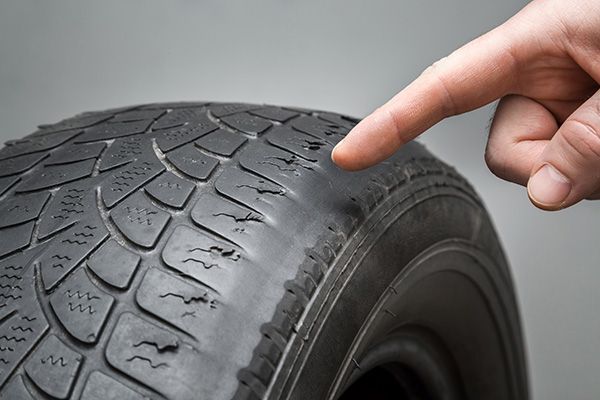
Start with what you can verify easily. Check cold tire pressures and make sure all four are set correctly, then look for uneven wear across the tread, especially feathering you can feel by running your hand across it. If the steering wheel is off-center on a flat road, or the car drifts on a normal surface, that's a stronger sign you need attention. If it only feels odd on grooved pavement, you may still be able to improve it with the right adjustments and tire choices.
A quick inspection during regular maintenance can catch early wear in tie rods and bushings before it turns into constant corrections on the highway. If you've had a recent tire replacement, mention that too, because matching the tire to the vehicle makes a difference in how it behaves on rutted roads. The goal is not to chase every little sensation, it's to confirm whether you have a road-surface sensitivity or a developing looseness. Once you know which one it is, the fix becomes a lot more straightforward.
Get Steering And Suspension Help In Rockville, MD With Auto Clinic Care
If your steering feels loose on grooved pavement, Auto Clinic Care can check the tires, alignment angles, and steering components that commonly cause that wandering feel. We'll focus on what's actually changing the way the car tracks and explain what we find in plain terms. If it's tire-related, you'll get practical options, and if it's a worn part, you'll know before it creates uneven wear or bigger handling headaches.
Come by when you want the car to feel confident again on any road surface.