Working on your own car can save money, build useful skills, and make routine upkeep easier to understand. Professional auto repair offers trained technicians, specialized equipment, accurate service information, and stronger protection against mistakes that can damage expensive components.
The best choice depends on the repair, your experience, the tools available, and the consequences of getting the procedure wrong. Checking tire pressure is very different from opening a brake hydraulic system or servicing a modern transmission. Knowing where to draw that line protects both the vehicle and the person performing the work.
The Advantages Of DIY Car Maintenance
Basic maintenance can be a practical choice for drivers who are comfortable using tools and following vehicle-specific instructions. Simple tasks also help owners become familiar with fluid levels, tire condition, filters, and early warning signs.
Common DIY-friendly tasks may include:
- Checking tire pressure
- Replacing some wiper blades
- Adding approved washer fluid
- Replacing accessible cabin air filters
- Changing certain exterior bulbs
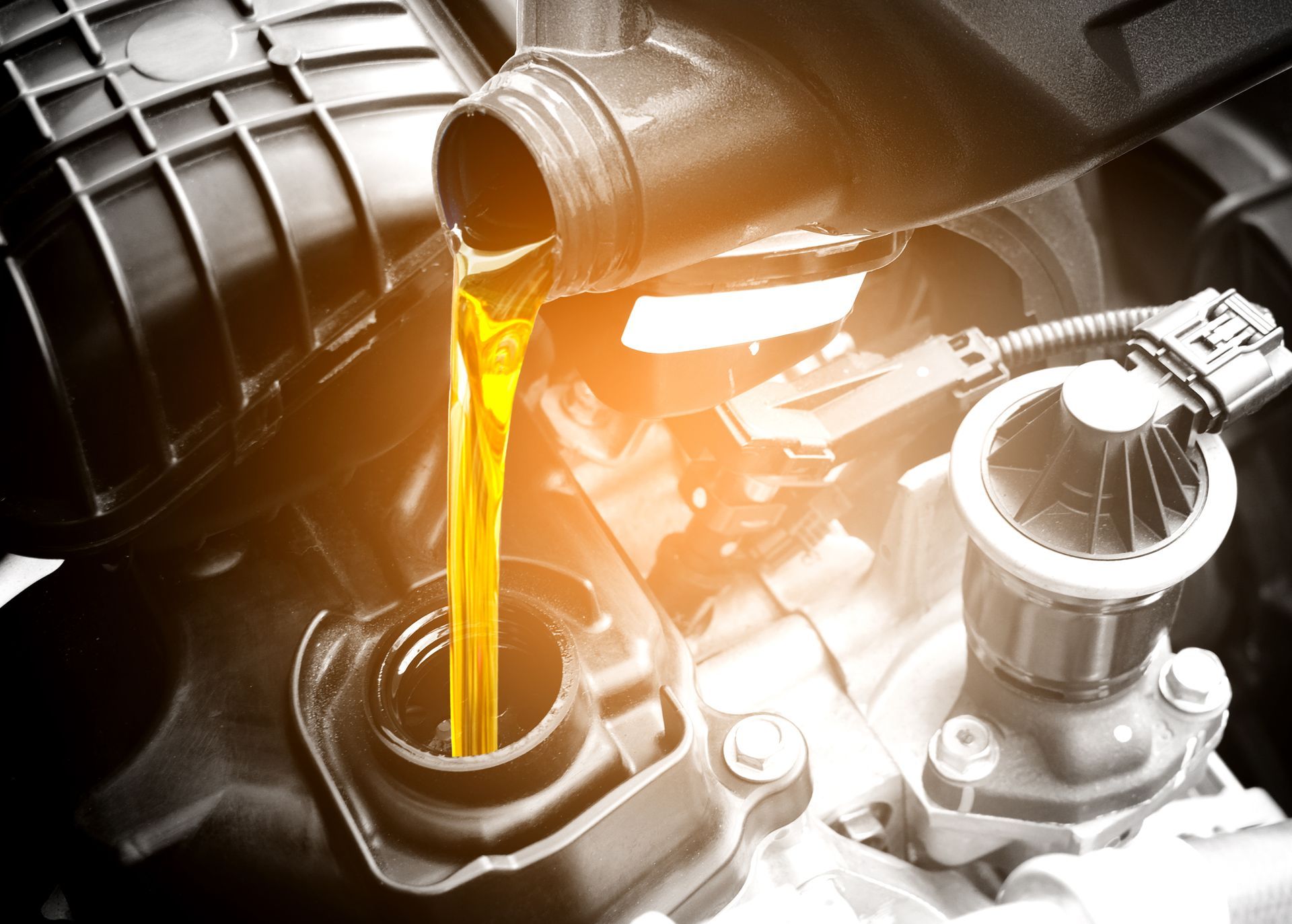
- Checking engine oil level
- Cleaning battery terminal corrosion safely
Completing these tasks at home can reduce labor costs and allow the owner to work on a convenient schedule. It also creates a better understanding of how frequently the vehicle uses oil, loses tire pressure, or develops visible wear.
The work still needs to follow the correct procedure. Even a simple cabin filter can be installed backward, and an incorrect bulb can damage a housing or overload a circuit. The owner’s manual and reliable vehicle-specific service information should guide every task.
The Risks Of Working On Your Own Vehicle
DIY work becomes risky when the repair requires lifting the vehicle, releasing stored pressure, handling hazardous chemicals, programming electronic systems, or measuring precise clearances. Improvised tools and general online instructions are not enough for every model.
A vehicle supported only by a jack can fall without warning. Hot coolant can cause severe burns. Brake fluid can damage paint, and high-voltage hybrid or electric systems can cause serious injury. Airbags, fuel systems, loaded suspension springs, and electronic parking brakes also require controlled procedures.
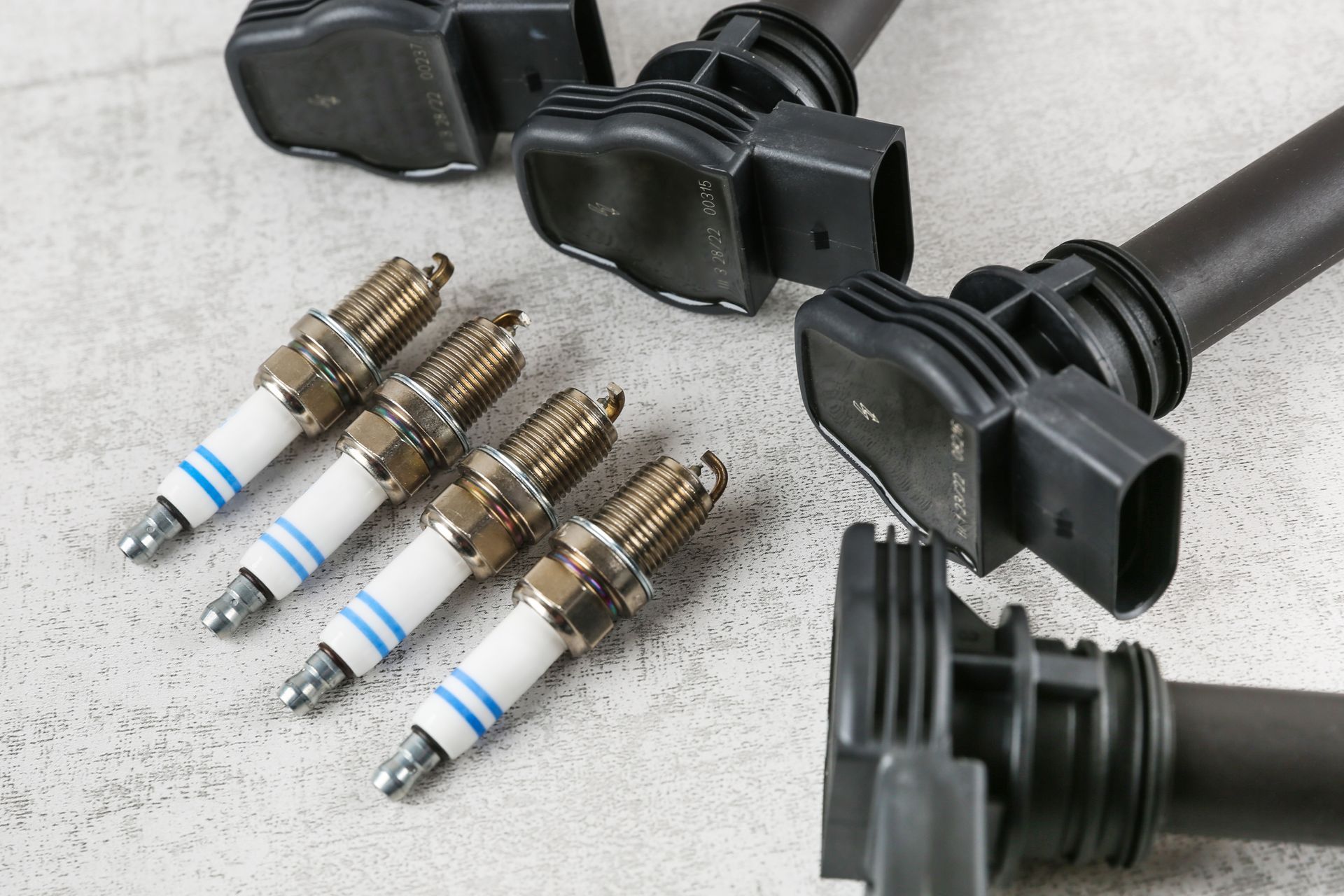
Mistakes can create expensive secondary damage. Cross-threaded drain plugs, overtightened spark plugs, incorrect fluids, reversed battery connections, and improperly installed brake parts may not fail immediately. The vehicle can leave the driveway and develop trouble later under heat, speed, or braking load.
Why Professional Auto Repair Costs More
A professional repair invoice includes more than the time spent removing and installing a part. A qualified shop invests in technician training, lifts, scan tools, service information, measuring equipment, fluid-handling systems, insurance, and safe disposal of automotive waste.
Technicians also spend time identifying the cause before recommending a repair. A warning code does not automatically prove that the named sensor has failed. Testing may include checking power, ground, signal circuits, live data, mechanical condition, pressure, temperature, or system commands.
That process reduces unnecessary parts replacement. Replacing several components in an attempt to find the fault can cost more than having the issue tested correctly at the beginning.
Repairs Best Left To A Professional Shop
Some procedures require equipment or technical knowledge that most home garages do not have. These jobs can affect braking, steering, engine timing, emissions controls, transmission operation, or occupant safety.
Professional service is usually the stronger choice for:
- Brake hydraulic repairs
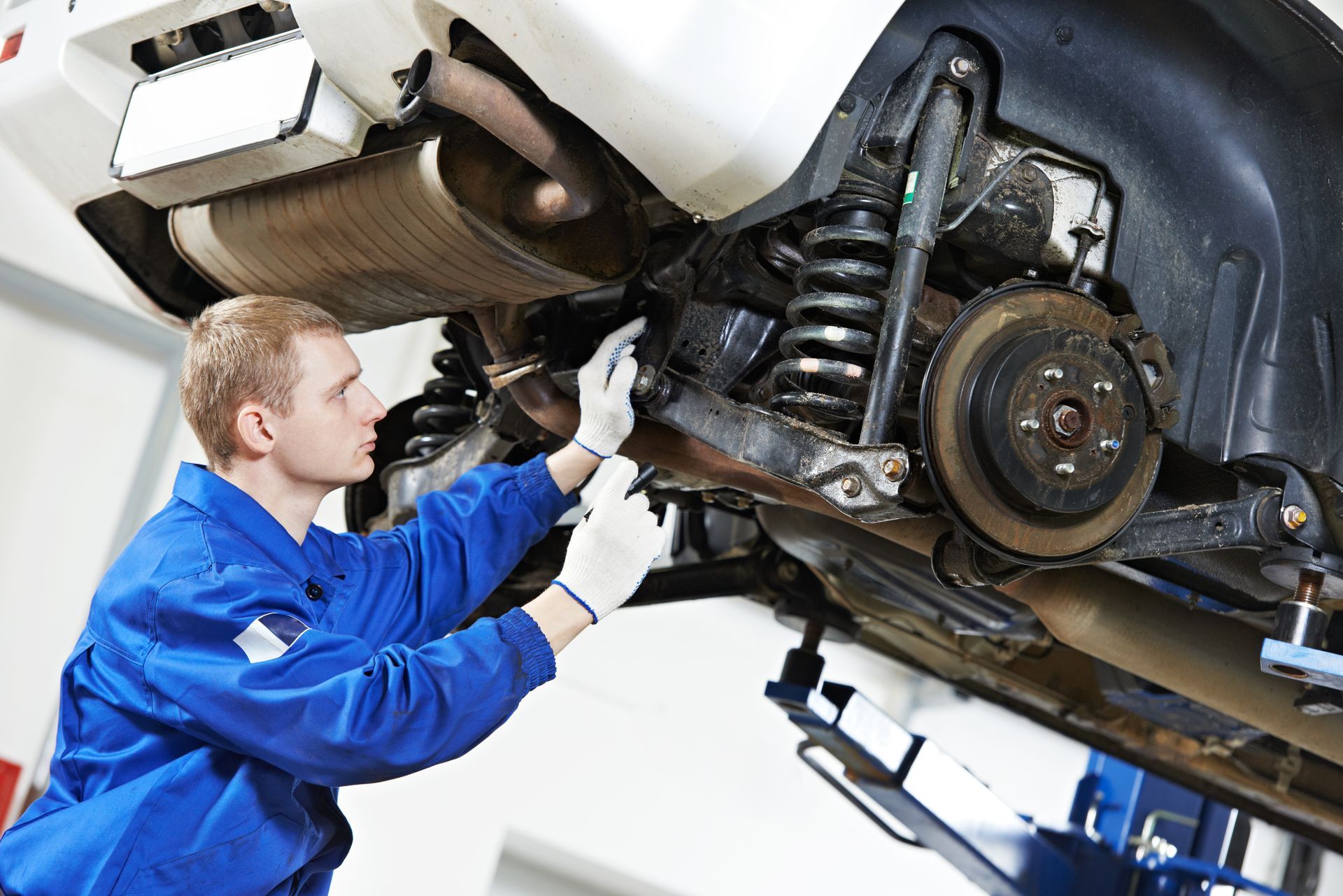
- Steering and suspension work
- Wheel bearing replacement
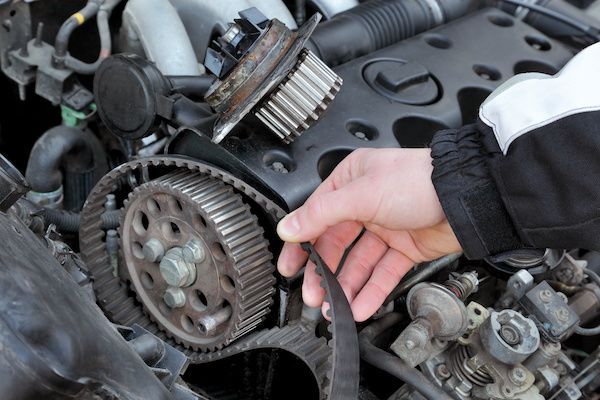
- Timing belt or timing chain service
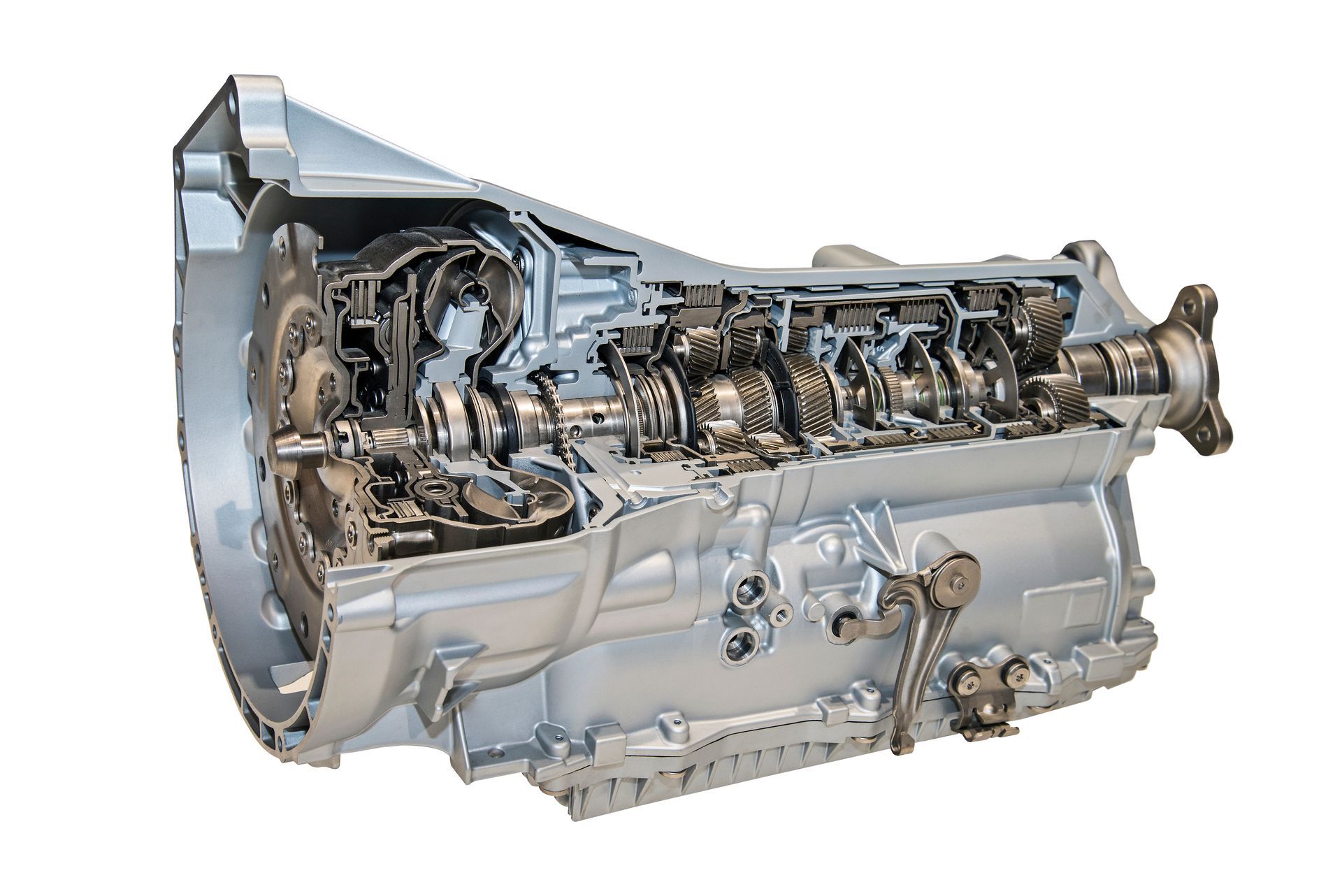
- Transmission repairs and fluid-level procedures
- Air conditioning refrigerant work
- Airbag and restraint system faults
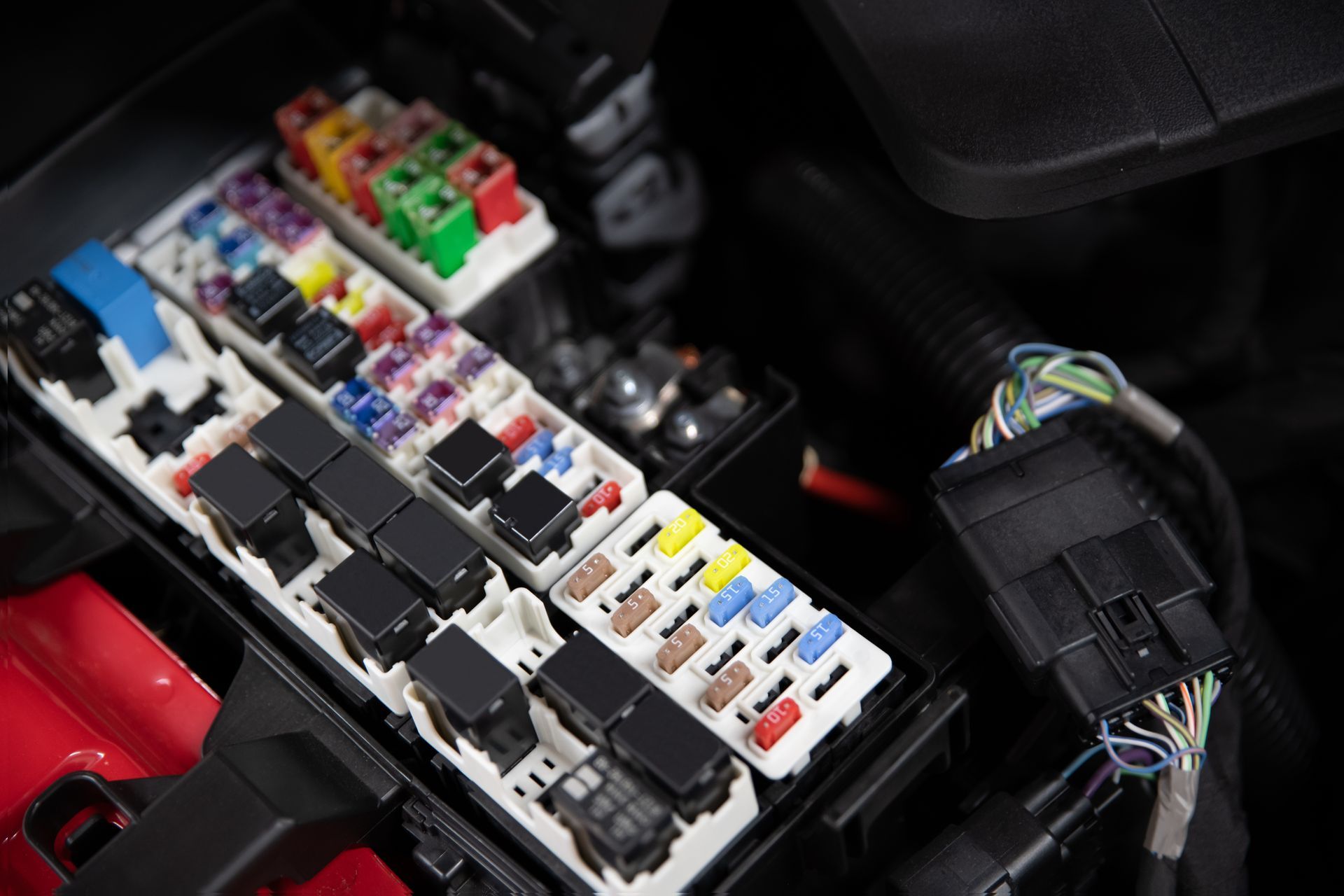
- Advanced electrical testing
- Hybrid and electric high-voltage systems
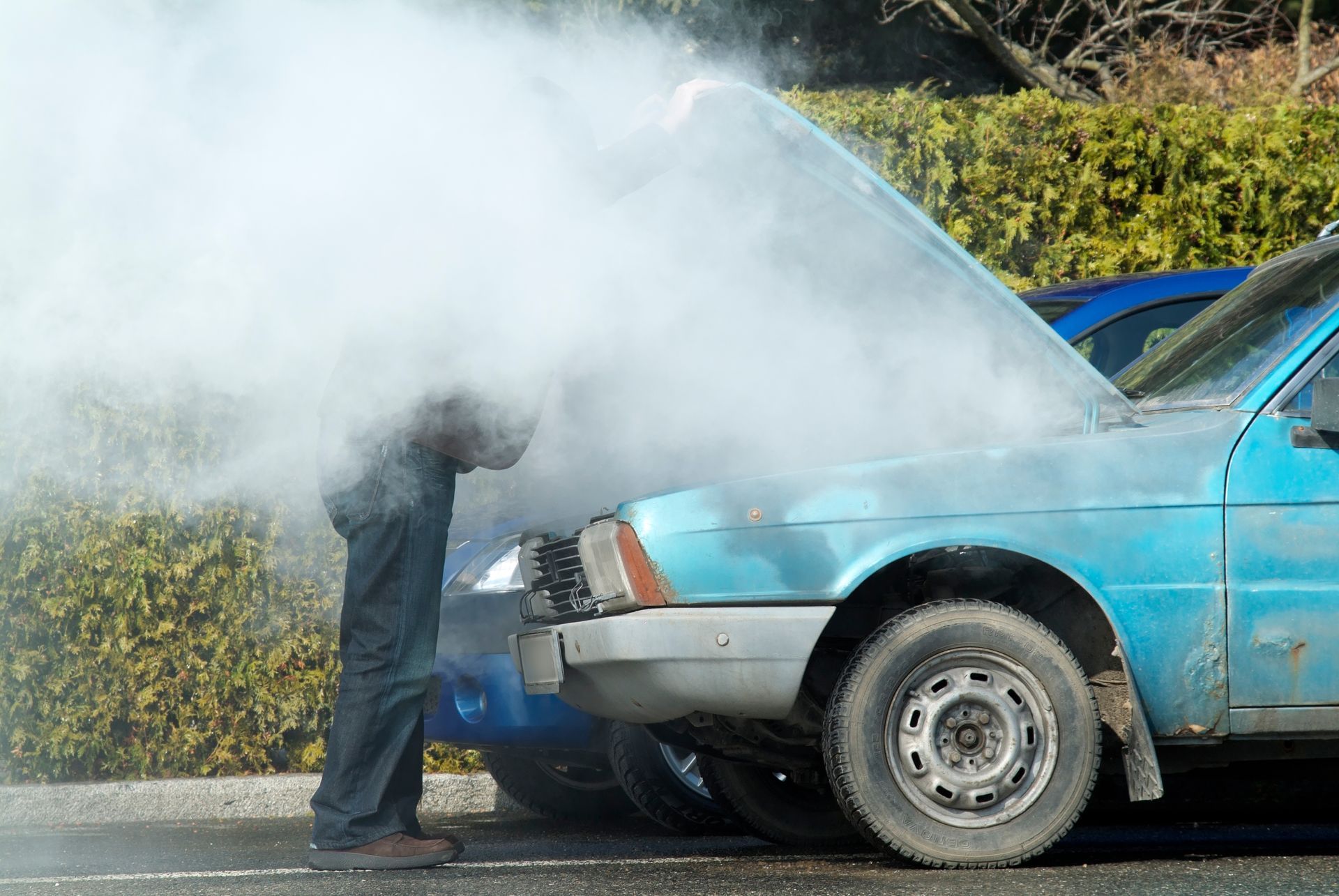
- Engine overheating or oil pressure concerns
Many newer vehicles also require electronic service modes, relearn procedures, coding, or calibration after mechanical work. A battery may need registration, an electronic parking brake may require scan-tool control, and driver-assistance sensors may need calibration after alignment or body repairs.
The Limits Of Online Instructions
Online videos can be useful for understanding the general shape of a repair, but they may show a different engine, model year, transmission, or option package. Fastener torque, fluid specification, wiring location, and component access can change within the same model line.
Some instructions also skip difficult steps or fail to show what happened when the repair went wrong. A procedure that appears to take fifteen minutes may require rust removal, broken fastener extraction, electrical testing, or specialized alignment once work begins.
Before starting, confirm that the information applies to the exact vehicle identification, engine, and drivetrain. Review the full procedure, required tools, fluid specifications, torque values, and safety precautions. If any step depends on equipment you do not have, the repair should not begin.
A Balanced Approach Works Best
Vehicle owners do not need to choose between doing everything themselves and doing nothing. A balanced approach allows drivers to handle simple checks while relying on trained mechanics for complex work and safety-critical systems.
Owners can monitor tire pressure, oil level, exterior lights, washer fluid, and visible leaks between shop visits. Professional regular maintenance can then cover fluid services, brake measurements, battery testing, suspension checks, and vehicle-specific scheduled work.
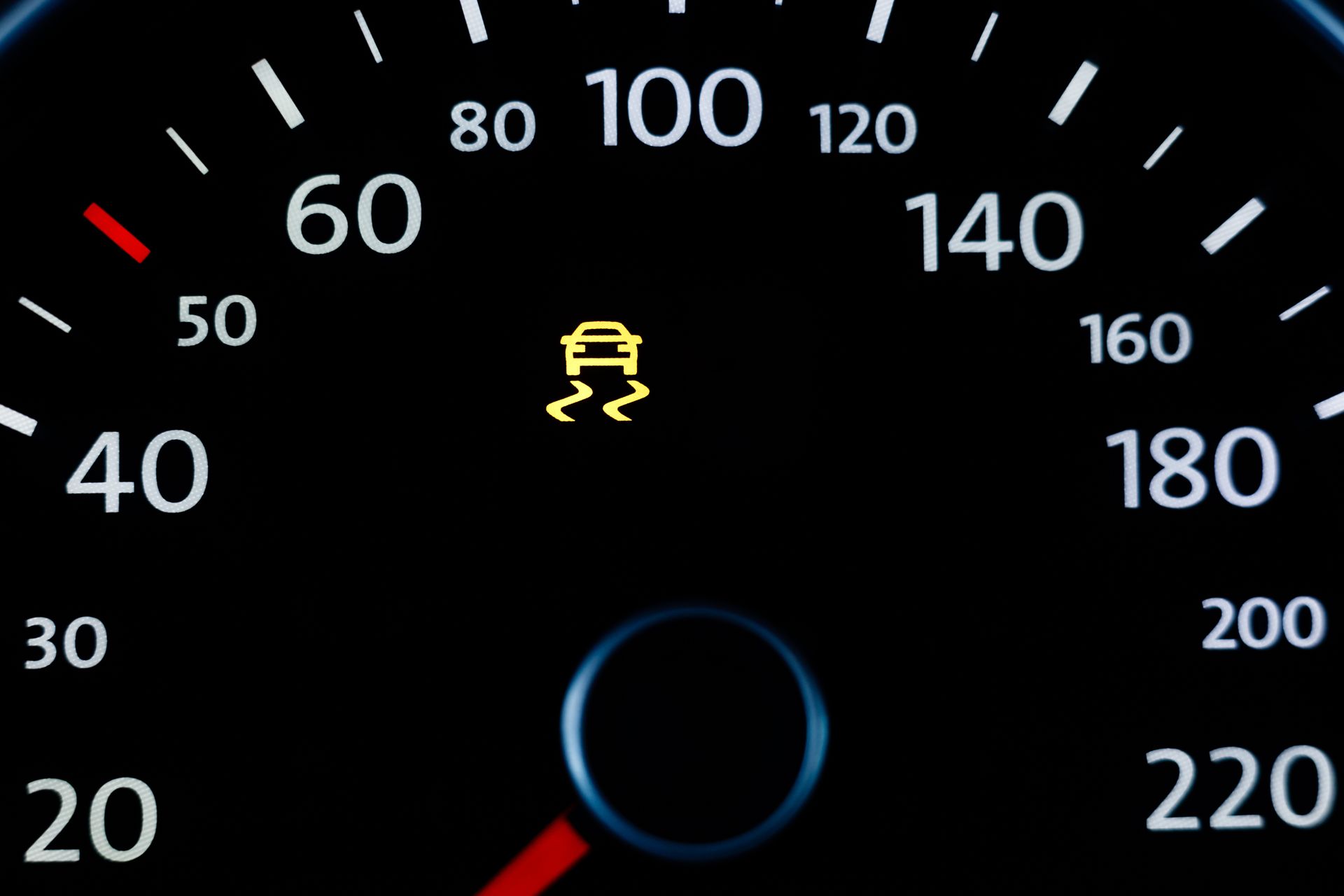
An inspection is especially important when the vehicle develops a warning light, unusual noise, vibration, fluid loss, starting change, or temperature concern. Early testing often keeps the repair focused before continued operation affects related parts.
How To Decide Before Starting A Repair
Ask whether the job can injure someone or damage the vehicle if completed incorrectly. Consider whether the car must be lifted, whether a system contains pressure, and whether electronic programming is required. The repair should also be left to a shop when the cause has not been identified clearly.
DIY work is most appropriate when the task is low risk, the instructions are exact, and the owner has the correct tools. Professional repair is appropriate when safety, precision, technical testing, or specialized equipment is involved.
Get Professional Auto Repair In Rockville, MD, With Auto Clinic Care
Auto Clinic Care in Rockville, MD, can perform factory-scheduled maintenance, diagnostic testing, brake service, electrical repairs, fluid service, and complex mechanical work.